

September 28, 2026

Integrity & Authenticity​

Can Exosomes Help Reduce Hair Shedding?

Hair shedding is a common concern for both men and women. Finding extra hair on your pillow, in the shower, or on your hairbrush can be worrying, especially when shedding continues for several weeks or months. While some daily hair shedding is completely normal, excessive shedding may be associated with stress, hormonal changes, nutritional deficiencies, illness, or conditions such as androgenetic alopecia.

As regenerative treatments continue to develop, exosome therapy for hair loss has gained attention as a potential approach to supporting healthier hair follicles. But can exosomes actually help reduce hair shedding, and are they effective for hair regrowth?

The research so far is promising, but exosome therapy is still an emerging treatment. Understanding how it works, what the current evidence shows, and which types of hair loss may respond can help you make an informed decision.
Integrity & Authenticity​

Hair Thinning in Men and Women: Causes, Early Signs & Treatment Options

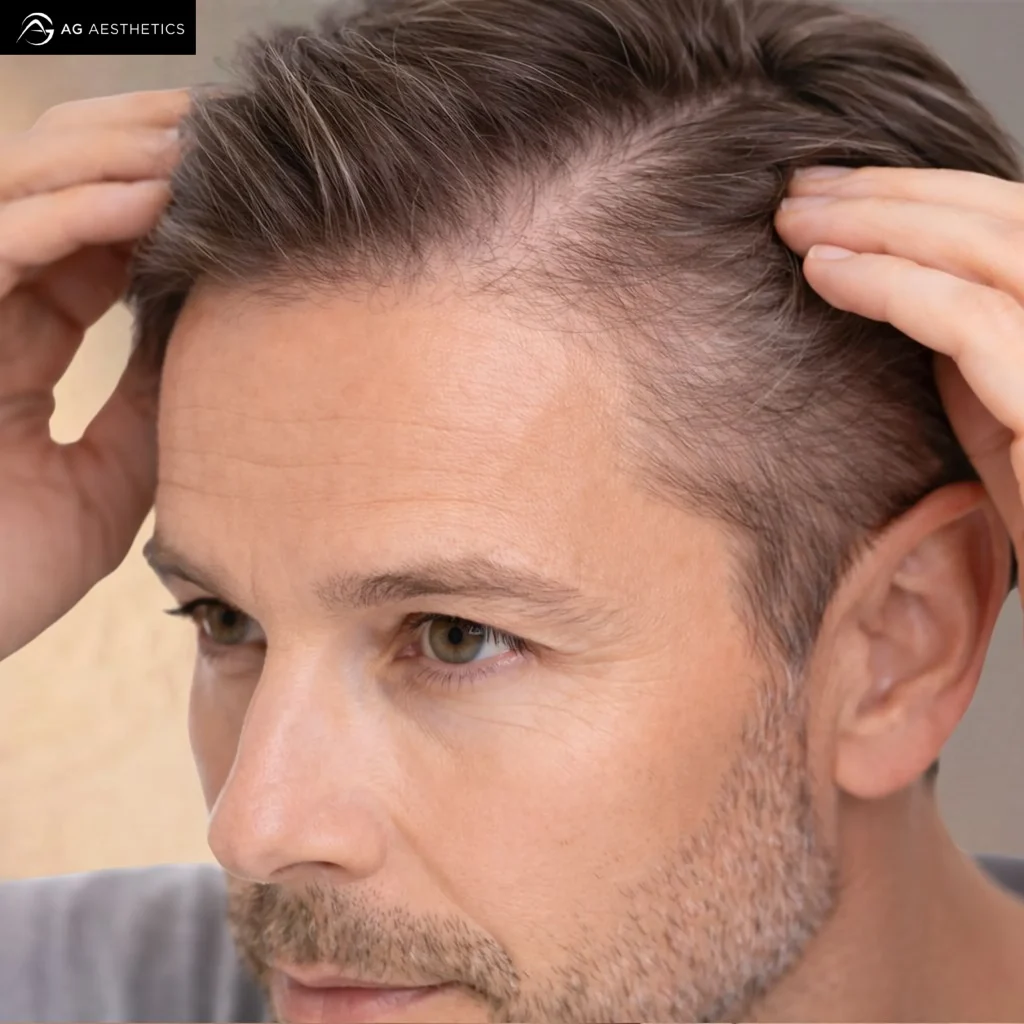
Hair thinning is a common concern for both men and women. It can develop gradually, making the early changes easy to overlook until the hairline becomes more visible, the part starts widening, or the scalp becomes easier to see.
While some daily hair shedding is normal, progressive thinning can indicate an underlying hair-loss condition. Hereditary hair loss, hormonal changes, illness, nutritional deficiencies, stress, scalp conditions, medications, and certain hair-care practices can all contribute to hair thinning. Because different causes require different approaches, identifying the reason for thinning hair is an important first step.
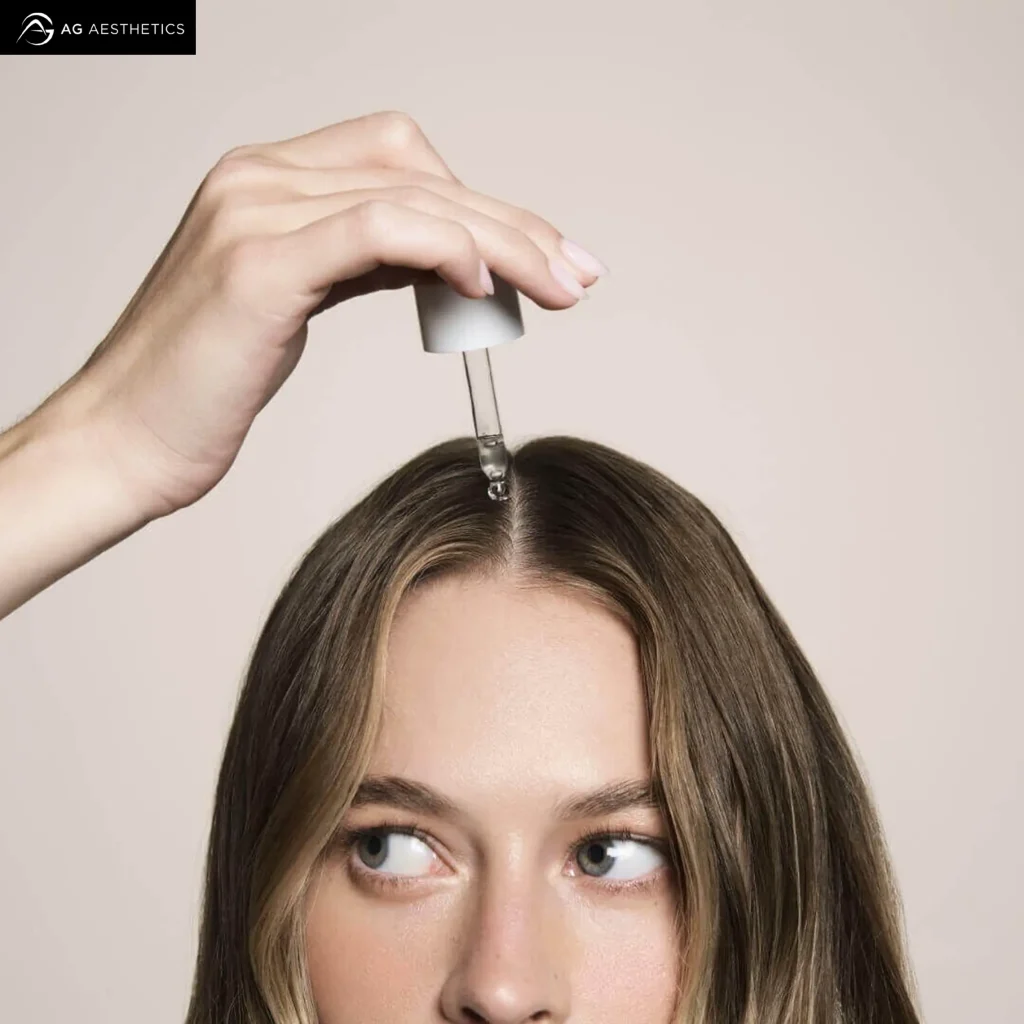
For people experiencing early or moderate thinning, treatment options range from established medications to non-surgical hair and scalp treatments designed to support follicle health and the scalp environment.

Integrity & Authenticity​

Exosome Therapy vs. Minoxidil: How Do They Differ?

When hair starts becoming thinner, there are several treatment options to consider. Minoxidil has been used for hair loss for decades, while exosome therapy is a newer approach being investigated as part of regenerative hair restoration.

Although both are discussed in the context of hair growth, they are very different treatments.

Minoxidil is a well-established medication used for certain types of hair loss. Exosome therapy, meanwhile, uses extracellular vesicles or exosome-based formulations designed to influence cellular communication and the hair follicle environment.

So, exosome therapy vs. minoxidil — how do they actually differ?

The answer comes down to their mechanism of action, clinical evidence, application, treatment protocols, and the type of hair-loss concerns they are intended to address.

Integrity & Authenticity​

How Exosome Hair Therapy Supports Hair Growth and Scalp Health

Hair thinning, excessive shedding, and changes in scalp health can make it difficult to maintain the appearance of fuller, healthier hair. While traditional hair-loss solutions remain widely used, growing interest in regenerative aesthetics has introduced new approaches designed to support the scalp and hair follicles at a biological level.

One such approach is plant-based exosome hair therapy.

Plant-derived exosome technology is being explored for its role in cellular communication, scalp support, and the biological processes involved in healthy hair growth. At AG Aesthetics Singapore, DE|RIVE combines plant-based factors with biomimetic technology to support hair and scalp health, making it a non-surgical option for people experiencing thinning hair or looking to maintain healthier-looking growth.

But how does exosome hair therapy work, and what role can it play in supporting hair growth and scalp health?

Integrity & Authenticity​

Plant-Based Exosomes for Hair Loss: Do They Really Work?

Hair loss treatments have moved beyond traditional options such as topical minoxidil, oral medications, and hair transplantation. One of the newer approaches gaining attention is exosome therapy for hair loss, including treatments formulated with plant-derived extracellular vesicles.

But do plant-based exosomes actually help hair grow, or are they simply another trending ingredient in the hair restoration industry?

The short answer is: early research is promising, but plant-based exosomes are not yet a proven cure for hair loss. Small clinical studies have reported improvements in hair density and regrowth, but researchers still need larger, well-controlled studies to determine how effective these treatments are, how long the results last, and which formulations work best.

A 2025 randomized controlled trial involving 20 men with androgenetic alopecia found that a formulation containing extracts from Ecklonia cava and Thuja orientalis produced a greater increase in hair counts than placebo after four treatment sessions. However, the study was small, so its results should be considered preliminary rather than definitive.