


Why Scalp Health Matters: The Science Behind Stronger, Fuller Hair
Introduction
Your scalp is living tissue, rich with blood vessels, hair follicles, sebaceous glands, and microbiota. If the scalp environment is compromised, hair growth can weaken, slow down, or stop altogether.
In this article, we’ll explore the science behind scalp health, how it affects hair growth, and what you can do to create the ideal environment for stronger, fuller hair.
The Scalp Is Living Skin
The scalp is an extension of your skin, containing:
- Approximately 100,000 hair follicles
- Oil (sebaceous) glands
- Sweat glands
- A network of blood vessels
- Collagen-rich connective tissue
Each hair strand grows from a follicle embedded deep within the scalp. For hair to grow strong and thick, follicles must receive:
- Oxygen
- Nutrients
- Hormonal balance
- Proper cellular signaling
When the scalp becomes inflamed, clogged, or poorly nourished, follicle performance declines.
Understanding the Hair Growth Cycle
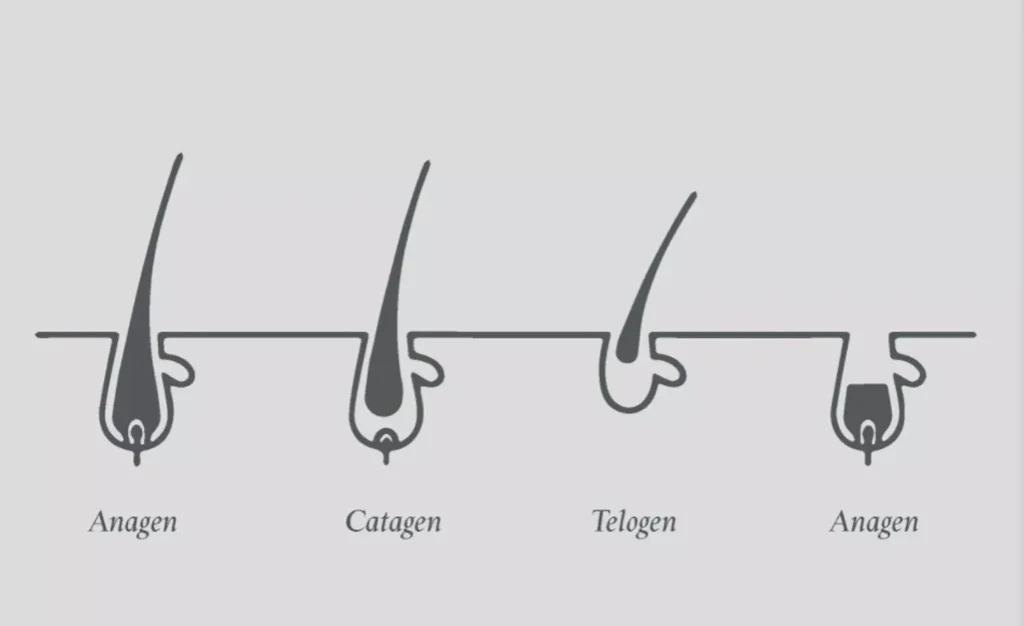
Healthy scalp function directly impacts the hair growth cycle, which consists of three main phases:
1. Anagen (Growth Phase)
This active growth phase can last 2–7 years. The longer hair stays in anagen, the thicker and longer it can grow.
2. Catagen (Transition Phase)
A short transitional phase where growth slows and the follicle begins to shrink.
3. Telogen (Resting Phase)
Hair rests before eventually shedding to make room for new growth.
Inflammation, stress, poor circulation, or buildup on the scalp can prematurely push hair into the telogen phase leading to thinning and excessive shedding.
How Poor Scalp Health Leads to Hair Thinning
1. Inflammation
Chronic scalp inflammation can damage follicles over time. Conditions like seborrheic dermatitis, excess oil buildup, and microbial imbalance can create an unhealthy environment for growth.
Inflammation may:
- Shorten the anagen phase
- Weaken follicle structure
- Reduce hair diameter
- Increase shedding
2. Reduced Blood Flow
Hair follicles rely on steady blood circulation to deliver oxygen and nutrients. When circulation is compromised, follicles may miniaturize a common feature of androgenetic alopecia.
Improving scalp circulation can support stronger, more resilient strands.
3. Product Buildup
Heavy styling products, dry shampoo, and excess sebum can clog follicles and limit nutrient exchange. Over time, this may disrupt the natural growth cycle.
4. Microbiome Imbalance
The scalp has its own microbiome a delicate balance of bacteria and fungi. When disrupted, it can contribute to itching, flaking, inflammation, and weakened follicles.
The Science Behind a Healthy Scalp Environment
A healthy scalp environment supports:
- Balanced oil production
- Proper pH levels
- Strong collagen structure
- Reduced oxidative stress
- Efficient cellular turnover
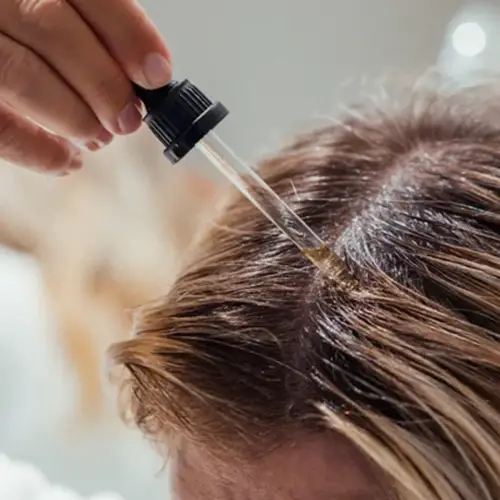
Advanced treatments in regenerative aesthetics now focus on improving cellular signaling at the follicle level. For example, therapies like DE|RIVE use plant-based exosomes to support scalp rejuvenation and follicle health through regenerative communication pathways.
By targeting inflammation and encouraging healthier follicle function, these therapies aim to improve density and hair quality over time.
Signs Your Scalp May Need Attention
You may have underlying scalp issues if you notice:
- Persistent itching
- Flaking or dandruff
- Redness or tenderness
- Increased shedding
- Slower hair growth
- Thinning at the crown or hairline
Addressing scalp health early may help prevent progressive thinning.
How to Improve Scalp Health Naturally
1. Cleanse Regularly but Gently
Use a shampoo appropriate for your scalp type. Avoid overly harsh cleansers that strip natural oils.
2. Exfoliate the Scalp
Occasional scalp exfoliation can help remove buildup and support healthy follicle openings.
3. Stimulate Circulation
Scalp massage increases blood flow and may enhance nutrient delivery to follicles.
4. Support Nutrition
Key nutrients for scalp and hair health include:
- Protein
- Iron
- Vitamin D
- Zinc
- Omega-3 fatty acids
5. Reduce Inflammation
Managing stress, balancing hormones, and considering professional scalp treatments can help control inflammatory triggers.
The Connection Between Scalp Health and Fuller Hair
Stronger, fuller hair does not begin with the strand it begins at the follicle.
When the scalp environment is balanced and nourished:
- Hair remains longer in the growth phase
- Follicles produce thicker strands
- Shedding decreases
- Overall density improves
Conversely, neglecting scalp health can gradually weaken hair quality and lead to visible thinning.
Final Thoughts
If you want stronger, fuller hair, start at the source. A healthy scalp provides the optimal environment for consistent, resilient hair growth.
By focusing on inflammation control, circulation, nutrition, and advanced regenerative options when appropriate, you can create the conditions needed for long-term hair vitality.
Frequently Asked Questions (FAQ)
Does scalp health really affect hair growth?
Yes. Hair follicles live within the scalp, and their ability to grow strong strands depends on circulation, oxygen, nutrient delivery, and inflammation control.
How often should I wash my scalp?
It depends on your hair type and oil production. Oily scalps may require more frequent washing, while dry scalps benefit from gentler, less frequent cleansing.
Can scalp massage help with hair growth?
Scalp massage may improve blood circulation, which supports follicle function. While not a standalone cure for hair loss, it can complement a healthy hair routine.
What causes scalp inflammation?
Common causes include product buildup, hormonal imbalance, stress, poor diet, and conditions like seborrheic dermatitis.
Are professional scalp treatments worth it?
For individuals experiencing thinning or chronic scalp issues, professional treatments that target circulation and cellular signaling may provide additional support beyond at-home care.