


Why Engineering Support Is Critical for Medical Aesthetic Clinics
This article explores why engineering support is not just an option but a necessity for medical aesthetic clinics.
1. Ensuring Patient Safety and Treatment Accuracy
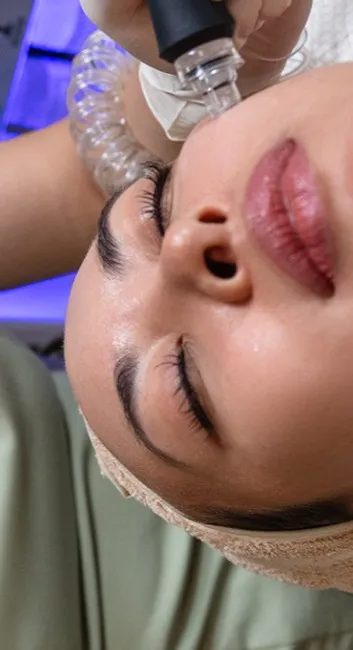
Medical aesthetic devices operate using complex technologies such as lasers, ultrasound, and radiofrequency energy. These systems must function with precision to ensure safe and predictable outcomes.
Engineering support helps by:
- Calibrating devices to maintain accuracy
- Detecting faults before they become hazardous
- Ensuring compliance with safety standards
A minor technical error can lead to burns, ineffective treatments, or inconsistent results. Regular maintenance and expert oversight significantly reduce these risks.
2. Minimizing Downtime and Revenue Loss
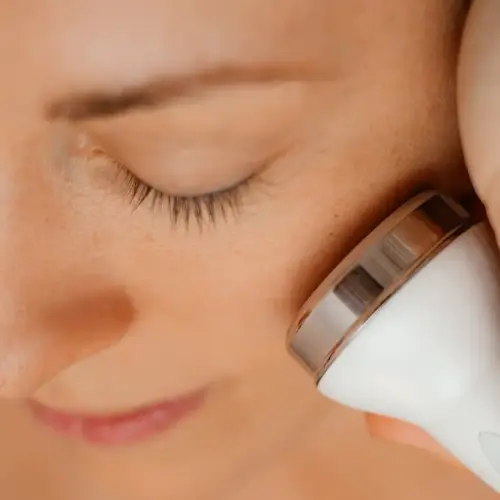
Equipment downtime can severely impact a clinic’s operations. When a key device stops working, appointments get canceled, clients become dissatisfied, and revenue declines.
With dedicated engineering support:
- Issues are diagnosed and resolved quickly
- Preventive maintenance reduces unexpected breakdowns
- Clinics maintain a consistent treatment schedule
Reliable equipment means uninterrupted service and a better patient experience.
3. Extending Equipment Lifespan
Medical aesthetic devices are a significant investment. Without proper care, their lifespan can be drastically reduced.
Engineering teams ensure:
- Routine servicing and part replacements
- Proper handling and usage guidance
- Early detection of wear and tear
This not only protects the investment but also delays costly replacements, improving long term profitability.
4. Compliance with Regulatory Standards
Healthcare and aesthetic clinics must adhere to strict regulatory and safety standards. Equipment must be regularly inspected and maintained to remain compliant.
Engineering support helps clinics:
- Meet local and international compliance requirements
- Maintain documentation for audits
- Avoid legal risks and penalties
Staying compliant also builds trust with patients and enhances the clinic’s reputation.
5. Optimizing Device Performance
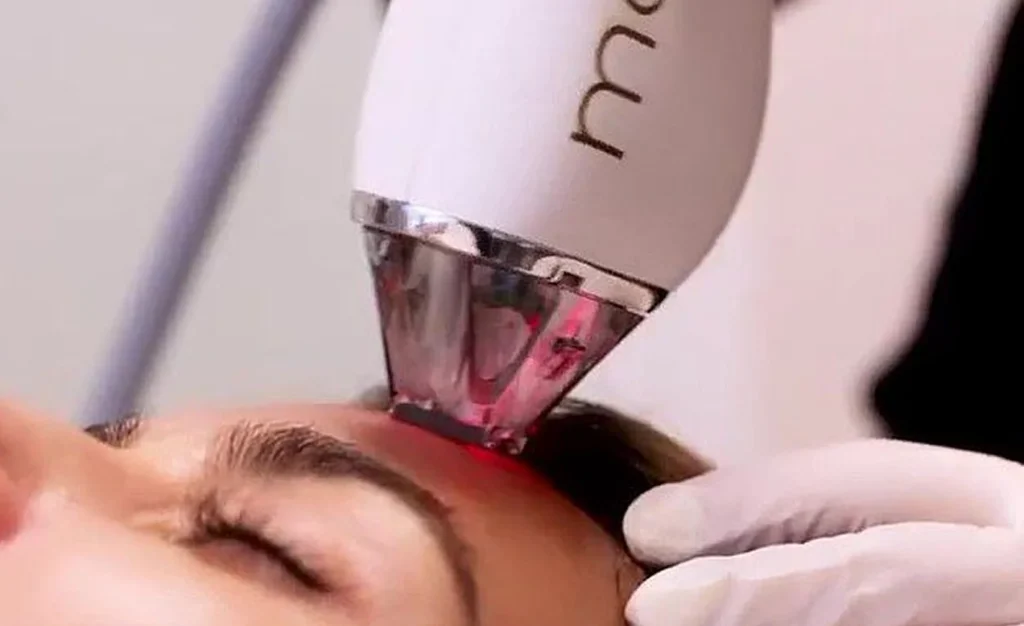
Even high end machines can underperform if not properly maintained. Engineering professionals ensure that devices operate at peak efficiency.
Benefits include:
- Consistent treatment results
- Improved client satisfaction
- Enhanced practitioner confidence
Optimized machines allow clinics to deliver premium services without compromise.
6. Supporting Staff Training and Proper Usage
Improper use of advanced equipment is a common issue in aesthetic clinics.
Engineering support teams often assist with:
- Staff training on device operation
- Troubleshooting common issues
- Providing usage best practices
Well trained staff reduce the likelihood of errors and improve overall clinic efficiency.
7. Cost Efficiency in the Long Run
While some clinics may view engineering support as an additional expense, it actually reduces costs over time.
It helps avoid:
- Expensive emergency repairs
- Premature equipment replacement
- Revenue loss due to downtime
Investing in regular engineering support is a proactive approach that ensures financial stability.
8. Enhancing Clinic Reputation
A clinic known for reliable services and consistent results naturally attracts more clients. Equipment failures or inconsistent outcomes can damage credibility.
With strong engineering support:
- Treatments are dependable
- Client trust increases
- Positive reviews and referrals grow
In a competitive industry, reputation is everything.
Conclusion
Engineering support is the backbone of any successful medical aesthetic clinic. It ensures safety, reliability, compliance, and efficiency all of which directly impact patient satisfaction and business growth.
Clinics that prioritize engineering support are better equipped to deliver high quality treatments, maintain operational stability, and stay ahead in a competitive market.
In an industry driven by technology, having expert engineering support is not just beneficial it is essential.