



The Difference Between Sciton mJoule and Traditional Laser Treatments
Introduction
What Is Sciton mJoule Laser Technology?
The Sciton mJoule is a next generation laser platform known for its precision, versatility, and customizable energy delivery. Unlike older laser systems, mJoule technology allows practitioners to adjust energy levels with extreme accuracy, ensuring treatments are tailored to individual skin types and concerns.
Sciton mJoule is commonly used for:
- Skin resurfacing
- Wrinkle reduction
- Acne scar treatment
- Sun damage correction
- Skin tightening and rejuvenation
Its advanced engineering makes it one of the most trusted laser systems in modern aesthetic medicine.
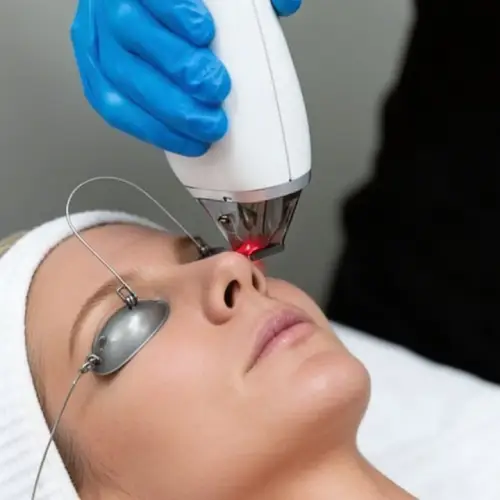
What Are Traditional Laser Treatments?
Traditional laser treatments typically refer to earlier generation laser systems that deliver fixed or less customisable energy levels. While these lasers can still be effective, they often lack the flexibility and control found in newer technologies like Sciton mJoule.
Traditional lasers are often associated with:
- More aggressive energy delivery
- Longer recovery times
- Higher risk of redness, swelling, or pigmentation issues
- Less adaptability for different skin tones
These systems paved the way for today’s innovations but may not always meet modern patient expectations.
Key Differences Between Sciton mJoule and Traditional Laser Treatments
1. Precision and Customisation
Sciton mJoule offers unmatched precision, allowing providers to fine tune laser settings based on skin type, condition, and treatment goals. Traditional laser treatments often use standardised settings, which may not be ideal for every patient.
2. Safety for Different Skin Types
One of the biggest advantages of Sciton mJoule laser treatments is improved safety across a wider range of skin tones. Traditional lasers carry a higher risk of burns or hyperpigmentation, especially for darker skin types.
3. Downtime and Recovery
Sciton mJoule treatments are designed to minimise downtime. Patients often experience faster healing compared to traditional laser treatments, which may require extended recovery periods due to deeper or less controlled energy penetration.
4. Treatment Comfort
Thanks to controlled energy delivery and advanced cooling options, Sciton mJoule treatments are generally more comfortable. Traditional laser treatments may cause more discomfort both during and after the procedure.
5. Results and Longevity
While both options can produce visible results, Sciton mJoule laser technology often delivers more consistent, natural looking outcomes with fewer sessions. Traditional lasers may require multiple treatments to achieve similar results.
Why Sciton mJoule Is Considered a Modern Upgrade
Sciton mJoule represents the evolution of laser aesthetics. Its ability to combine power with precision makes it ideal for patients seeking effective results with less downtime and lower risk. As technology advances, many clinics are transitioning from traditional laser systems to mJoule platforms to meet higher safety and performance standards.

Which Laser Treatment Is Right for You?
Choosing between Sciton mJoule and traditional laser treatments depends on your skin type, concerns, and desired recovery time. Consulting with a qualified laser specialist is essential to determine the most suitable option for your individual needs.
Final Thoughts
When comparing Sciton mJoule vs traditional laser treatments, the difference lies in precision, safety, comfort, and recovery. Sciton mJoule’s advanced technology offers a more refined and patient friendly approach to laser skin treatments, making it a preferred choice in modern aesthetic practices.