


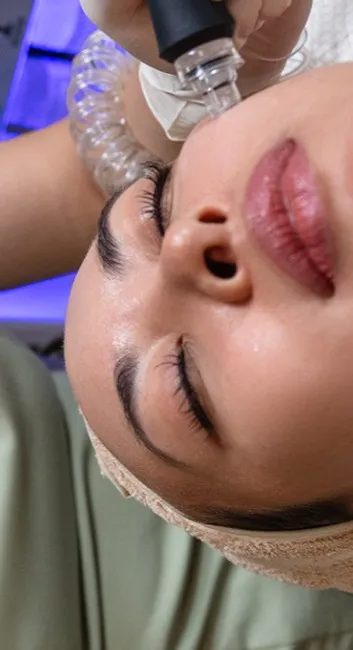
What to Expect Before, During, and After a Hyfrecator 2000 Treatment
The Hyfrecator 2000 is one of the most trusted electrosurgical devices used by dermatologists, plastic surgeons, cosmetic physicians, and medical clinics. It delivers controlled high-frequency electrical energy to precisely remove unwanted skin growths while minimising damage to surrounding healthy tissue.
In this guide, we'll walk you through everything you should expect before, during, and after a Hyfrecator 2000 treatment, along with recovery tips and answers to common questions.
What Is a Hyfrecator 2000?
The Hyfrecator 2000 is a portable electrosurgical device that uses high-frequency electrical current to:
- Remove skin tags
- Treat warts
- Eliminate benign moles
- Destroy abnormal tissue
- Control minor bleeding (hemostasis)
- Perform small dermatologic and cosmetic procedures
Unlike surgical excision, the treatment is minimally invasive, quick, and usually requires little downtime.
Before Your Hyfrecator 2000 Treatment
Proper preparation helps ensure a smoother procedure and faster healing.
1. Schedule a Professional Consultation
Before treatment, your healthcare provider will examine your skin lesion to determine whether it is suitable for electrosurgery.
They may evaluate:
- Size of the lesion
- Location
- Skin type
- Medical history
- Previous skin conditions
- Current medications
If there is any concern that a lesion could be cancerous, your doctor may recommend a biopsy instead of immediate removal.
2. Discuss Your Medical History
Inform your provider if you have:
- A pacemaker or implanted electronic device
- Bleeding disorders
- Diabetes
- Poor wound healing
- Pregnancy
- Allergies to local anesthetics
- Active skin infections
Certain medical conditions may require additional precautions.
3. Avoid Certain Medications
Your physician may advise you to temporarily avoid medications or supplements that increase bleeding, such as:
- Aspirin
- Ibuprofen
- Fish oil
- Vitamin E
- Blood thinners (only under physician guidance)
Never stop prescribed medication without consulting your healthcare provider.
4. Keep the Treatment Area Clean
On the day of treatment:
- Wash the treatment area
- Avoid lotions
- Avoid makeup
- Do not apply oils or creams
- Wear comfortable clothing
Clean skin lowers the risk of infection.
5. Prepare for Mild Discomfort
Most Hyfrecator procedures involve only mild discomfort.
Depending on the area being treated, your provider may use:
- Topical numbing cream
- Local anesthetic injection
This helps make the procedure much more comfortable.
What Happens During a Hyfrecator 2000 Treatment?
One of the biggest advantages of the Hyfrecator 2000 is how fast the procedure is.
Most treatments take 5–30 minutes, depending on the number and size of lesions.
Step 1: Cleaning the Skin
The provider disinfects the treatment area to reduce the risk of infection.
Step 2: Local Anesthesia
For larger or more sensitive lesions, a local anesthetic may be administered.
Many small skin tags require little or no anesthesia.
Step 3: Electrosurgical Treatment
Using a sterile electrode tip, the provider carefully applies controlled electrical energy to the targeted tissue.
The device may:
- Cut tissue
- Dry tissue (desiccation)
- Destroy tissue (fulguration)
- Coagulate blood vessels
The physician adjusts the power settings depending on the procedure.
Step 4: Bleeding Control
One major benefit of the Hyfrecator 2000 is excellent hemostasis.
Small blood vessels are sealed almost instantly, resulting in:
- Minimal bleeding
- Improved visibility
- Faster treatment
- Cleaner surgical field
Step 5: Dressing the Area
After treatment, the provider may apply:
- Antibiotic ointment
- Petroleum jelly
- Protective dressing
Some small areas require no bandage at all.
Does Hyfrecator 2000 Treatment Hurt?
Most patients describe the sensation as:
- Mild warmth
- Slight stinging
- Brief pinching
- Minor burning sensation
Thanks to local anesthesia, discomfort is generally minimal.
Immediately After the Procedure
After treatment, you may notice:
- Mild redness
- Slight swelling
- Small scab formation
- Minor tenderness
- Temporary darkening of the treated area
These are normal parts of the healing process.
Recovery Timeline After Hyfrecator 2000 Treatment
First 24 Hours
During the first day:
- Keep the area clean
- Avoid touching it
- Follow aftercare instructions
- Leave the dressing on if instructed
Mild discomfort usually resolves quickly.
Days 2–7
A protective scab begins forming.
Avoid:
- Picking the scab
- Scratching
- Excessive moisture
- Swimming
- Hot tubs
The treated area gradually starts healing underneath.
Weeks 2–4
The scab naturally falls off.
New skin may appear:
- Pink
- Slightly lighter
- Slightly darker
This usually fades over time.
One to Three Months
Most patients experience:
- Smooth skin
- Minimal scarring
- Excellent cosmetic improvement
Complete healing varies depending on:
- Lesion size
- Treatment depth
- Skin type
- Individual healing response
Essential Aftercare Tips
Proper aftercare helps reduce complications and promotes faster healing.
Keep the Area Clean
Wash gently using mild soap and water.
Avoid harsh cleansers.
Moisturize as Directed
Apply petroleum jelly or prescribed ointment to prevent excessive dryness.
Protect from Sun Exposure
New skin is sensitive to UV rays.
Use:
- SPF 30 or higher sunscreen
- Protective clothing
- Hats when outdoors
Sun protection reduces the risk of pigmentation changes.
Avoid Picking the Scab
Removing the scab prematurely increases the chance of:
- Infection
- Delayed healing
- Scarring
- Skin discoloration
Let it fall off naturally.
Watch for Signs of Infection
Contact your healthcare provider if you notice:
- Increasing redness
- Severe swelling
- Pus drainage
- Fever
- Persistent pain
Although uncommon, prompt treatment is important.
Benefits of Hyfrecator 2000 Treatment
Patients and clinicians choose the Hyfrecator 2000 because it offers:
- Fast outpatient treatment
- Minimal bleeding
- Precise tissue removal
- Reduced risk of infection
- Excellent cosmetic results
- Short recovery time
- Minimal downtime
- High patient satisfaction
Are the Results Permanent?
For many benign lesions, removal is permanent.
However:
- New skin tags can develop.
- Some warts may recur due to the HPV virus.
- Certain skin conditions may require additional treatments.
Regular skin examinations help identify new lesions early.
Who Is a Good Candidate?
The Hyfrecator 2000 is commonly recommended for patients with:
- Skin tags
- Common warts
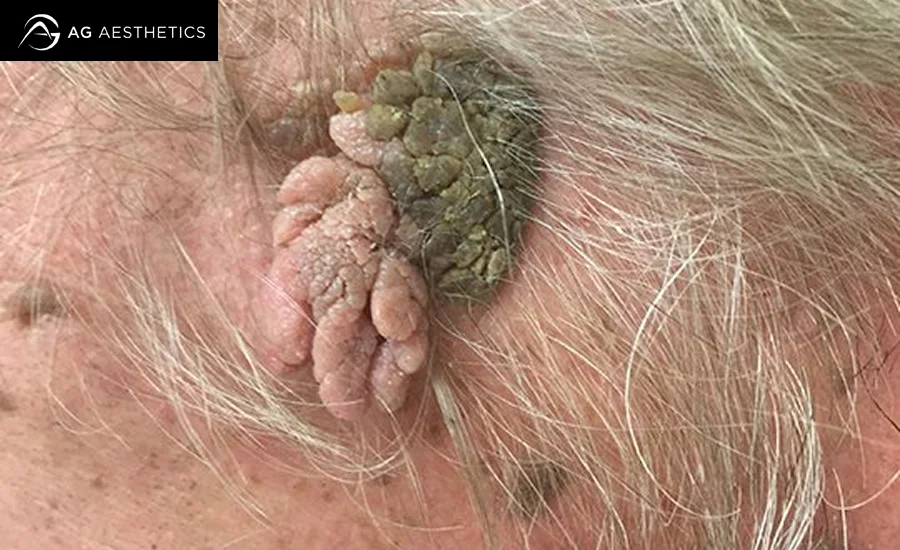
- Seborrheic keratoses
- Cherry angiomas
- Benign moles (after medical evaluation)
- Small vascular lesions
- Minor cosmetic skin imperfections
Your healthcare provider will determine if electrosurgery is appropriate for your condition.
Frequently Asked Questions
How long does a Hyfrecator 2000 treatment take?
Most procedures take between 5 and 30 minutes, depending on the number and size of the lesions being treated.
Is there any downtime?
Downtime is minimal. Most people return to normal daily activities immediately, although strenuous exercise and soaking the treated area may need to be avoided for a few days.
Will there be a scar?
When performed correctly and followed by proper aftercare, Hyfrecator 2000 treatments generally result in minimal scarring. Healing depends on the treatment depth, lesion size, and individual skin type.
Can multiple lesions be treated in one session?
Yes. Dermatologists often remove several skin tags, warts, or benign lesions during a single appointment if appropriate.
How soon will I see the final results?
Initial healing typically occurs within 2–4 weeks, while the skin’s final appearance may continue to improve over the next 1–3 months.
Final Thoughts
The Hyfrecator 2000 offers a quick, effective, and minimally invasive solution for removing many common benign skin lesions. Understanding what to expect before, during, and after treatment can help you feel more prepared and support a smoother recovery. By following your provider’s aftercare instructions and protecting the treated skin as it heals, most patients achieve excellent cosmetic results with minimal downtime.
If you’re considering treatment for skin tags, warts, moles, or other benign lesions, consult a qualified healthcare professional to determine whether the Hyfrecator 2000 is the right option for your specific needs.