


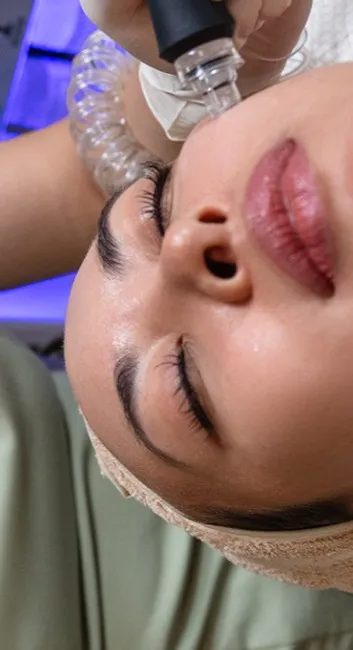
What Are Plant-Based Exosomes in Skincare? Benefits for Skin Regeneration
Let’s break it down in a simple, SEO friendly way so you understand how plant-based exosomes work and whether they deserve a spot in your skincare routine.
What Are Plant-Based Exosomes?
Plant-based exosomes are tiny, naturally occurring vesicles (nano-sized bubbles) derived from plants. They act as communication carriers, transporting bioactive molecules like:
- Proteins
- Lipids
- Antioxidants
- Growth factors
- RNA (genetic signaling material)
In plants, exosomes help cells communicate and repair themselves. When used in skincare, they can deliver powerful nutrients directly into human skin cells, enhancing regeneration and healing.

How Do Plant-Based Exosomes Work on Skin?
Think of exosomes as delivery drones for your skin.
When applied topically, they:
- Penetrate deep into the skin barrier
- Deliver active ingredients to target cells
- Stimulate cellular repair and renewal
- Boost communication between skin cells
This leads to faster healing, improved texture, and healthier-looking skin.
Key Benefits of Plant-Based Exosomes in Skincare
1. Skin Regeneration & Repair
Plant-based exosomes accelerate the skin’s natural healing process by promoting cell turnover and tissue repair. This makes them especially useful after:
- Sun damage
- Acne breakouts
- Cosmetic procedures
2. Anti-Aging Effects
They help reduce visible signs of aging by:
- Stimulating collagen production
- Improving skin elasticity
- Minimizing fine lines and wrinkles
Result: firmer, smoother, more youthful skin
3. Powerful Antioxidant Protection
Derived from plants, these exosomes are rich in antioxidants that:
- Neutralize free radicals
- Protect against environmental damage
- Slow down premature aging
4. Enhanced Hydration
Exosomes improve the skin’s ability to retain moisture, leading to:
- Plumper skin
- Reduced dryness
- Improved barrier function
5. Calming & Anti-Inflammatory Properties
They help soothe irritated skin and reduce redness, making them ideal for:
- Sensitive skin
- Rosacea-prone skin
- Post-treatment recovery
Plant-Based vs. Animal-Derived Exosomes
Feature | Plant-Based Exosomes | Animal-Derived Exosomes |
Source | Fruits, herbs, botanicals | Stem cells or animal tissues |
Safety | Highly biocompatible | May raise ethical/safety concerns |
Sustainability | Eco-friendly | Less sustainable |
Skin Compatibility | Gentle & suitable for most skin types | Can be more reactive |
Plant-based exosomes are generally preferred due to their safety, sustainability, and ethical sourcing.
Common Plant Sources of Exosomes in Skincare
You’ll often see exosomes derived from:
- Green tea
- Aloe vera
- Ginseng
- Centella asiatica
- Grapes
Each plant contributes unique benefits, from soothing inflammation to boosting collagen.
Are Plant-Based Exosomes Safe?
Yes plant-based exosomes are considered:
- Non-toxic
- Biocompatible with human skin
- Suitable for most skin types
However, as with any skincare ingredient, it’s best to:
- Do a patch test
- Choose products from reputable brands
Who Should Use Exosome Skincare?
Plant-based exosomes are ideal for:
- People with aging skin
- Acne-prone or damaged skin
- Those recovering from treatments (like microneedling or lasers)
- Anyone looking for advanced skin repair and rejuvenation

How to Use Plant-Based Exosomes in Your Routine
You’ll typically find them in:
- Serums
- Ampoules
- Creams
- Post-procedure treatments
Best practices:
- Apply after cleansing and toning
- Use before heavier creams
- Follow with sunscreen during the day
Final Thoughts
Plant-based exosomes represent a new frontier in skincare combining biotechnology and natural ingredients to deliver powerful skin regeneration benefits.
If you’re looking for next level anti aging, faster healing, and healthier skin, exosome infused skincare could be worth exploring.