

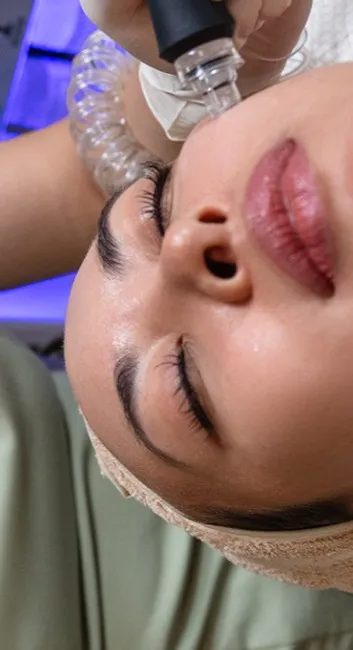
AQUAFIRMExs vs Traditional Facials: What’s the Difference?
Introduction
Plant-Based Exosomes in Skin Health: Why They’re a Game-Changer
This article explores what plant-based exosomes are, how they work, and why they represent a major breakthrough in skin health and regenerative skincare.
What Are Exosomes?
Exosomes are nano-sized extracellular vesicles responsible for cell-to-cell communication. They transport bioactive molecules such as proteins, lipids, peptides, and RNA, which influence cellular behavior, repair processes, and regeneration.
In skincare applications, exosomes help:
- Stimulate collagen and elastin production
- Support skin cell renewal
- Reduce inflammation
- Enhance skin resilience and vitality
While early skincare innovations relied on animal or human-derived exosomes, the industry is rapidly shifting toward plant-based alternatives.

What Makes Plant-Based Exosomes Unique?
Plant-based exosomes are extracted from botanical sources including fruits, herbs, and medicinal plants. These vesicles naturally contain antioxidants, phytonutrients, and growth-supporting compounds that benefit the skin without ethical or safety concerns.
Key Benefits of Plant-Based Exosomes:
- Non-immunogenic and gentle on skin
- Vegan and cruelty-free
- Sustainable and eco-conscious
- Highly stable and biocompatible
- Suitable for sensitive and post-procedure skin
These characteristics make them ideal for clean beauty formulations and advanced cosmeceuticals.
Skin Health Benefits of Plant-Based Exosomes
1. Cellular Regeneration and Repair
Plant-based exosomes activate fibroblasts and keratinocytes, accelerating cell turnover and tissue repair. This results in improved skin texture, firmness, and elasticity.
2. Anti-Aging and Wrinkle Reduction
By promoting collagen and elastin synthesis, plant-based exosomes help reduce fine lines and wrinkles while supporting long-term skin strength and structure.
3. Anti-Inflammatory and Calming Properties
Chronic inflammation accelerates skin aging and contributes to conditions such as acne, rosacea, and sensitivity. Plant-based exosomes help modulate inflammatory responses, calming irritated skin and improving overall skin comfort.
4. Strengthened Skin Barrier
Plant-based exosomes activate fibroblasts and keratinocytes, accelerating cell turnover and tissue repair. This results in improved skin texture, firmness, and elasticity.
5. Brightening and Even Skin Tone
Rich in plant antioxidants, these exosomes help reduce oxidative stress and pigmentation, resulting in a brighter, more even complexion over time.
Plant-Based vs Animal-Derived Exosomes
Feature | Plant-Based Exosomes | Animal/Human Exosomes |
Vegan & Ethical | Yes | No |
Allergy Risk | Low | Moderate |
Sustainability | High | Low |
Regulatory Complexity | Lower | Higher |
Clean Beauty Compliance | High | Limited |

Why Plant-Based Exosomes Are the Future of Skincare
Plant-based exosomes represent the convergence of biotechnology and botanical science. They provide clinically relevant skin benefits while aligning with consumer demand for clean, ethical, and sustainable skincare solutions.
Industry drivers include:
- Growth of regenerative skincare
- Demand for non-invasive anti-aging solutions
- Increased transparency in ingredient sourcing
- Advances in plant biotechnology
Who Can Benefit from Plant-Based Exosome Skincare?
Plant-based exosomes are suitable for:
- Aging and mature skin
- Sensitive and reactive skin
- Post-treatment recovery (microneedling, laser procedures)
- Acne-prone and inflamed skin
- Consumers seeking advanced clean beauty solutions
Conclusion
Plant-based exosomes are redefining skin health by enabling advanced cellular communication through nature-derived technology. They deliver measurable regenerative and anti-aging benefits while meeting the highest standards for safety, sustainability, and ethical formulation.
As the skincare industry moves toward the future of regenerative beauty, plant-based exosomes are positioned as a cornerstone innovation.