



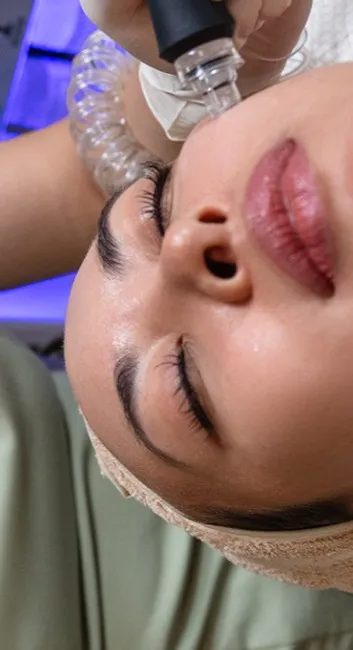
LED Light Therapy vs Laser Treatments: What’s the Difference?
Understanding the difference between LED light therapy and laser treatments can help you determine which option may be more suitable for your skincare goals.
What Is LED Light Therapy?
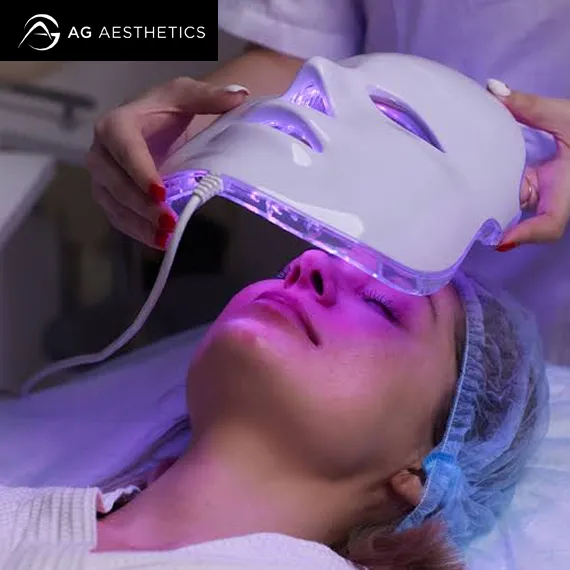
LED (Light-Emitting Diode) light therapy is a non-invasive treatment that uses specific wavelengths of light to support natural processes within the skin.
Different wavelengths can target different concerns. For example:
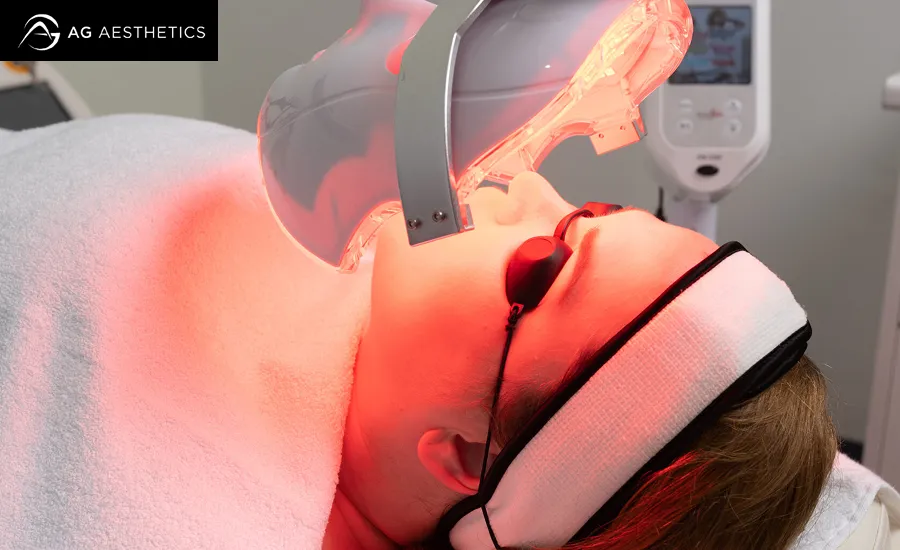
- Red light is commonly used to support collagen production and skin recovery.
- Near-infrared light can penetrate deeper into tissue and support cellular activity.
- Blue light is often used for acne-prone skin because of its effects on acne-associated bacteria.
- Combination wavelengths may be used to address multiple skin concerns.
LED therapy does not intentionally damage or remove the skin’s surface, which means it generally requires little to no downtime.
What Are Laser Treatments?
Laser treatments use concentrated beams of light to target specific structures within the skin. Depending on the type of laser, the energy can heat, vaporize, or stimulate targeted tissue.
Different lasers are designed for different purposes, including:
- Reducing the appearance of pigmentation
- Treating certain types of scars
- Improving skin texture
- Addressing visible blood vessels
- Reducing wrinkles and signs of sun damage
- Hair removal
- Skin resurfacing
Some laser treatments are ablative, meaning they remove portions of the outer skin layer. Others are non-ablative and work deeper within the skin without removing the surface.
LED Light Therapy vs. Laser: Key Differences
Feature | LED Light Therapy | Laser Treatments |
Light source | Light-emitting diodes | Concentrated laser energy |
Treatment intensity | Generally lower intensity | Generally higher intensity |
How it works | Supports cellular processes | Precisely targets skin structures |
Skin surface | Does not intentionally remove skin | Some lasers remove or damage targeted tissue |
Downtime | Usually little to none | Depends on the laser; may involve downtime |
Comfort | Generally comfortable | May cause heat, tingling, or discomfort |
Common uses | Acne support, inflammation, skin rejuvenation | Resurfacing, pigmentation, scars, wrinkles and other targeted concerns |
Treatment approach | Often requires multiple sessions | May require fewer sessions depending on the treatment |
Professional supervision | Recommended | Essential for many medical laser treatments |
How LED Light Therapy Works
LED therapy uses specific wavelengths of light that interact with cells in the skin. Unlike lasers, LED devices generally do not deliver a highly concentrated beam designed to remove or ablate tissue.
For skin rejuvenation, red and near-infrared wavelengths are commonly used to support cellular activity and collagen-related processes.
Blue light is often used in treatments for acne-prone skin, while other wavelengths may be used for different therapeutic goals.
Because LED therapy is generally gentler, it is often incorporated into ongoing skincare routines rather than used as an aggressive resurfacing procedure.
How Laser Treatments Work
Laser treatments deliver concentrated energy to a specific target. The effect depends on the laser wavelength, energy level, pulse duration, and treatment technique.
For example, a resurfacing laser can create controlled thermal injury in the skin, triggering a healing response and encouraging the formation of new tissue. Other lasers can selectively target pigment or blood vessels while minimizing effects on surrounding tissue.
Because laser treatments can be considerably more intense than LED therapy, choosing the correct laser and treatment settings is important.
Which Treatment Is Better for Acne?
Both technologies may have a role in acne management, but they work differently.
LED therapy, particularly blue and red light, may be used to support acne-prone skin by targeting acne-associated bacteria and helping calm inflammation.
Certain lasers and other light-based medical treatments can also be used for acne or acne scars, but they are more targeted and may involve greater discomfort or downtime.
For active acne, LED therapy may be appealing to people looking for a gentle, non-invasive treatment. For acne scarring, a dermatologist may recommend a different laser or resurfacing treatment depending on the type and severity of the scars.
Which Is Better for Wrinkles and Skin Rejuvenation?
The answer depends on the desired result.
LED therapy can provide a gentle approach to supporting collagen-related processes and improving the overall appearance of the skin. It generally requires a series of treatments and consistent maintenance.
Laser resurfacing can produce more dramatic changes in skin texture, wrinkles, and certain signs of sun damage because it delivers more concentrated energy to the skin.
However, stronger treatments can also involve more recovery time and potential side effects.
LED Light Therapy and Laser Treatments Can Complement Each Other
These treatments do not necessarily have to be viewed as competitors.
In some professional skincare plans, different technologies may be used at different stages. For example, LED therapy may be incorporated to support skin recovery after certain procedures when considered appropriate by a qualified professional.
However, the timing and combination of treatments should always be determined by a trained skincare or medical professional. Not every treatment combination is suitable for every person or skin type.
Which Treatment Is Right for You?
The best choice depends on your skin concerns, treatment goals, tolerance for downtime, and the results you want to achieve.
LED Light Therapy May Be Suitable If You:
- Want a gentle, non-invasive treatment
- Prefer little or no downtime
- Want ongoing support for skin rejuvenation
- Have acne-prone or inflammation-prone skin
- Prefer gradual improvements
- Want to incorporate light therapy into a broader skincare routine
Laser Treatment May Be Considered If You:
- Want to address specific pigmentation concerns
- Have acne scars or uneven skin texture
- Want more intensive skin resurfacing
- Are looking for targeted treatment of certain skin concerns
- Are comfortable with potential recovery time
A consultation with a qualified dermatologist or licensed skincare professional can help determine which technology is appropriate for your skin.
Are LED and Laser Treatments Safe?
Both treatments can be safe when the appropriate technology is used correctly and treatment is performed according to professional guidelines.
However, the risks are different. LED therapy is generally less aggressive, while lasers can cause redness, swelling, pigment changes, burns, or other complications if inappropriate settings or techniques are used.
People with certain medical conditions, skin conditions, or medications that increase sensitivity to light should discuss treatment with a qualified healthcare professional before undergoing either procedure.
Final Thoughts
The main difference between LED light therapy and laser treatments is the way they deliver light energy and the intensity of their effects.
LED therapy uses broader, generally lower-intensity wavelengths to support cellular processes without intentionally damaging the skin’s surface. Laser treatments use concentrated energy to precisely target specific structures and can produce more intensive changes.
Neither treatment is universally better. LED therapy may be a good option for gentle, ongoing skin support, while laser treatments may be more appropriate for specific concerns that require targeted or intensive treatment.
The right choice depends on your individual skin, goals, and treatment plan. Consulting a qualified professional is the best way to determine which option is appropriate for you.