


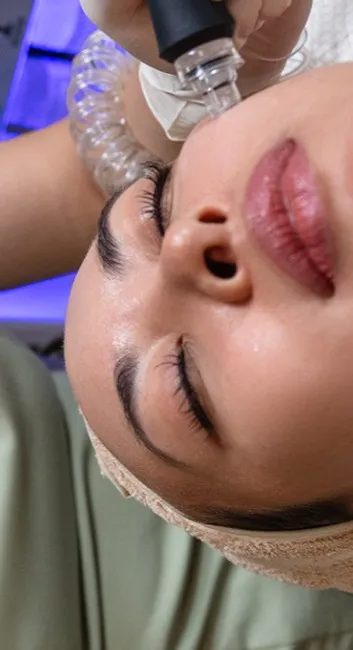
Hyfrecator 2000 vs Laser Removal: Which Treatment Is Better for Skin Tags, Moles, and Warts?
Introduction
So, which treatment is right for you?
In this guide, we'll compare the Hyfrecator 2000 vs laser removal, including how each treatment works, the conditions they treat, recovery time, cost, effectiveness, potential side effects, and when one may be a better choice than the other.
What Is the Hyfrecator 2000?
The Hyfrecator 2000 is a low-powered electrosurgical device that uses high-frequency electrical current to destroy unwanted tissue or seal small blood vessels. Dermatologists commonly use it during office-based procedures to remove benign skin lesions and control bleeding.
It works through techniques such as:
- Electrodesiccation
- Electrofulguration
- Electrocoagulation
The treatment is precise, quick, and usually performed under local anesthesia.
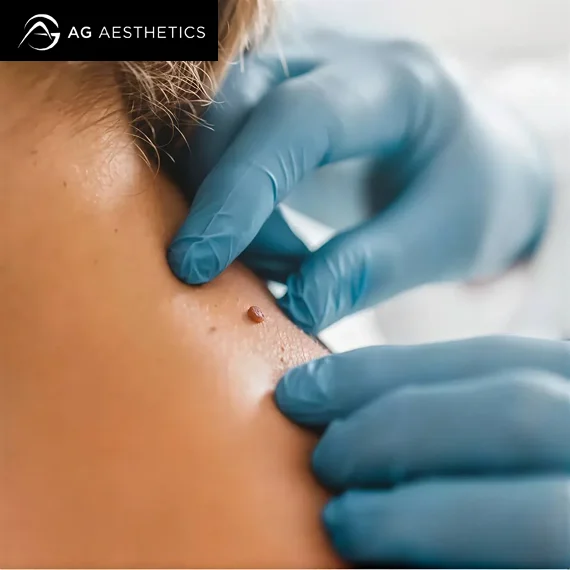
What Is Laser Removal?
Laser removal uses concentrated beams of light to target specific skin tissues. Different lasers are selected depending on the condition being treated.
Laser treatment works by:
- Heating targeted tissue
- Vaporizing abnormal cells
- Breaking down pigmentation
- Stimulating skin healing
Many laser procedures involve minimal bleeding and can produce excellent cosmetic outcomes, especially for facial lesions.
Hyfrecator 2000 vs Laser Removal: How They Work
Feature | Hyfrecator 2000 | Laser Removal |
Technology | High-frequency electrical current | Concentrated laser light |
Removes Tissue | Yes | Yes |
Controls Bleeding | Excellent | Good |
Precision | Very high | Very high |
Heat Generation | Electrical heat | Light-generated heat |
Anesthesia | Usually local anesthesia | Often topical or local anesthesia |
Which Is Better for Skin Tags?
Hyfrecator 2000
The Hyfrecator is considered one of the most effective treatments for skin tags because it:
- Removes tags quickly
- Seals blood vessels immediately
- Causes minimal bleeding
- Has a short procedure time
- Is cost-effective
Most skin tags can be removed in just a few minutes.
Laser Removal
Laser treatment also removes skin tags effectively, but it is generally reserved for:
- Multiple skin tags
- Delicate facial areas
- Patients seeking minimal bleeding
- Cosmetic clinics specializing in laser procedures
Winner: Hyfrecator 2000
For most patients, the Hyfrecator offers similar cosmetic results at a lower cost and with excellent efficiency.
Which Is Better for Warts?
Warts are caused by the human papillomavirus (HPV), making complete destruction of infected tissue important.
Hyfrecator 2000
The Hyfrecator:
- Destroys wart tissue using electrical energy
- Can treat stubborn or recurrent warts
- Is commonly combined with curettage
- Provides excellent control during treatment
Laser Removal
Laser therapy may be recommended for:
- Resistant plantar warts
- Extensive wart clusters
- Patients who have not responded to cryotherapy or topical medications
Laser treatment may require multiple sessions depending on the wart type and size.
Winner: Tie
Both treatments can be effective. The best choice depends on the wart’s location, size, and whether previous treatments have failed.
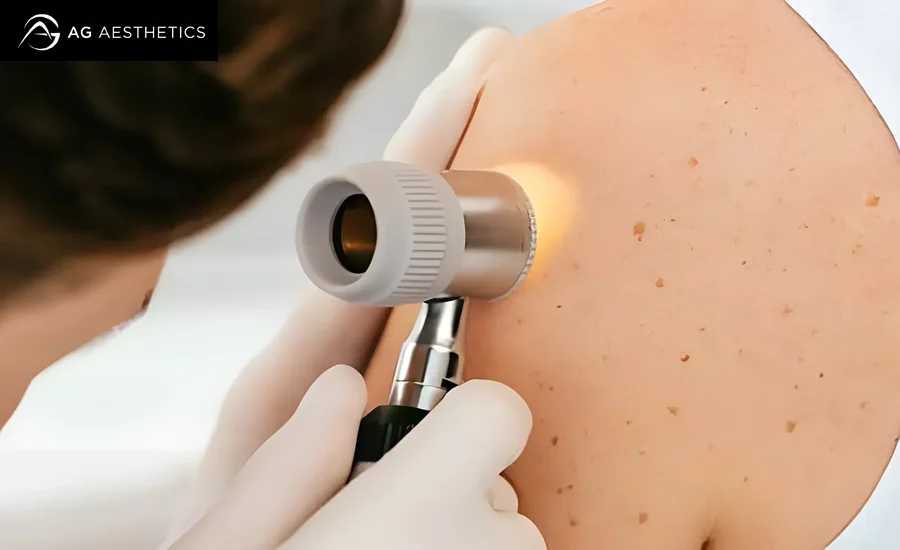
Which Is Better for Moles?
This comparison requires an important distinction.
Benign Cosmetic Moles
For confirmed benign moles:
Hyfrecator
May be used for selected raised, non-cancerous moles after appropriate evaluation.
Laser Removal
Laser treatment may improve the appearance of certain superficial pigmented lesions but is generally not recommended for removing moles that require pathological examination, as it destroys tissue and prevents biopsy.
Suspicious Moles
If a mole shows signs such as asymmetry, irregular borders, color variation, increasing size, or recent changes, it should be medically evaluated. In these cases, surgical excision with laboratory analysis is typically preferred over either Hyfrecator or laser treatment.
Winner
Neither treatment is universally “better” for moles. The appropriate approach depends on whether the lesion is benign and whether tissue needs to be examined under a microscope.
Treatment Comparison
Category | Hyfrecator 2000 | Laser Removal |
Procedure Time | 5–20 minutes | 10–30 minutes |
Bleeding | Minimal | Minimal |
Downtime | Low | Low |
Precision | Excellent | Excellent |
Cost | Lower | Higher |
Cosmetic Results | Excellent | Excellent |
Best For | Skin tags, warts, seborrheic keratoses, vascular lesions | Pigmented lesions, vascular lesions, cosmetic resurfacing, selected warts |
Pain During Treatment
Both procedures are generally well tolerated.
Hyfrecator
Patients may feel:
- Mild heat
- Brief stinging
- Slight burning sensation
Local anesthesia is commonly used.
Laser Removal
Patients often describe:
- A snapping sensation
- Mild heat
- Temporary discomfort
Topical numbing cream or local anesthesia may be recommended depending on the laser and treatment area.
Recovery Time
Hyfrecator
Recovery typically includes:
- Small scab formation
- Mild redness
- Healing within 1–3 weeks
Laser Removal
Recovery varies based on the laser used but often includes:
- Mild redness
- Swelling
- Crusting
- Healing within 1–3 weeks for superficial procedures
Deeper laser treatments may require a longer recovery period.
Risk of Scarring
Both treatments have a low risk of scarring when performed by experienced professionals.
Factors affecting scarring include:
- Lesion size
- Skin type
- Procedure technique
- Infection
- Picking at healing skin
- Following aftercare instructions
Proper wound care is essential regardless of the treatment selected.
Cost Comparison
In many clinics, the Hyfrecator 2000 is generally more affordable than laser treatment because:
- Equipment costs are lower
- Procedures are shorter
- Maintenance expenses are reduced
Laser procedures often involve more expensive equipment and may cost more, especially when advanced laser systems are used.
Actual pricing varies depending on the clinic, geographic location, lesion type, and number of lesions treated.
Advantages of the Hyfrecator 2000
- Lower treatment cost
- Excellent bleeding control
- Quick procedures
- Highly effective for skin tags
- Effective for many benign lesions
- Widely available in dermatology clinics
Advantages of Laser Removal
- Excellent cosmetic precision
- Useful for certain pigmented lesions
- Can treat larger treatment areas
- Often preferred for some vascular conditions
- Minimal bleeding
Possible Side Effects
Hyfrecator
Possible side effects include:
- Redness
- Swelling
- Temporary scabbing
- Pigment changes
- Mild scarring (uncommon)
- Infection (rare)
Laser Removal
Possible side effects include:
- Redness
- Swelling
- Temporary blistering
- Pigment changes
- Crusting
- Scarring (uncommon)
Your dermatologist will discuss these risks based on your skin type and the specific procedure.
Which Treatment Should You Choose?
The right treatment depends on several factors, including:
- The type of skin lesion
- Its size and location
- Whether tissue needs to be sent for biopsy
- Your skin type
- Cosmetic goals
- Your budget
- Your dermatologist’s recommendation
In general:
- Hyfrecator 2000 is an excellent choice for removing skin tags, many benign growths, and selected warts, particularly when quick treatment and cost-effectiveness are priorities.
- Laser removal may be preferred for certain cosmetic concerns, vascular lesions, pigmentation issues, or when a specific laser technology offers an advantage.
Final Thoughts
Both the Hyfrecator 2000 and laser removal are trusted, minimally invasive treatments for a variety of skin conditions. The Hyfrecator excels at removing skin tags, many benign skin growths, and selected warts, offering excellent precision, reliable bleeding control, and lower costs. Laser removal, meanwhile, may be advantageous for certain cosmetic applications, vascular lesions, or conditions where specific laser technologies provide added benefit.
The best treatment depends on the diagnosis, the characteristics of the lesion, and your personal goals. A consultation with a qualified dermatologist will help determine the safest and most effective option for your skin.
Frequently Asked Questions (FAQs)
Is Hyfrecator better than laser for skin tags?
For most patients, yes. The Hyfrecator is highly effective, fast, and typically more affordable than laser removal for skin tags.
Can laser remove warts permanently?
Laser treatment can successfully remove many warts, but because warts are caused by HPV, recurrence is still possible regardless of the treatment method.
Which treatment leaves less scarring?
When performed correctly, both treatments generally heal with minimal scarring. Individual healing and aftercare also play important roles.
Can either treatment remove cancerous moles?
No treatment should be chosen for a suspicious mole without proper medical evaluation. Lesions that may be cancerous usually require biopsy and, if indicated, surgical excision rather than cosmetic destruction.