



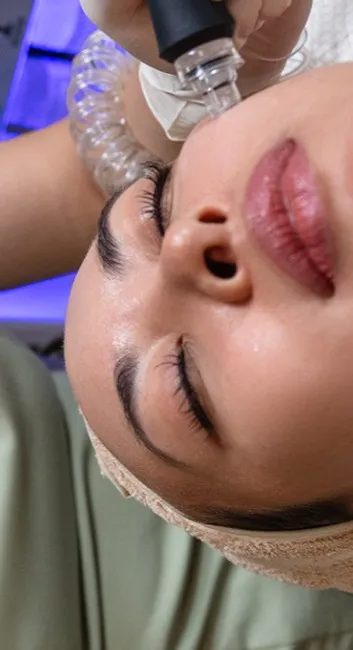
How Vein Visualization Technology Makes Injections Safer and More Comfortable
Healthcare facilities worldwide are increasingly adopting vein finder devices and vein visualization systems to improve first-stick success rates and enhance patient care. In this article, we'll explore how vein visualization technology works, its benefits, and why it has become an essential tool in modern healthcare.
What Is Vein Visualization Technology?
Vein visualization technology refers to specialized devices that help healthcare professionals identify veins beneath the skin’s surface. These systems use advanced imaging technologies, such as near-infrared (NIR) light, to create a real-time map of a patient’s veins.
The device projects the vein pattern directly onto the skin or displays it on a screen, allowing clinicians to locate the most suitable vein for injections, blood draws, and IV placements.
How Does a Vein Finder Work?
Near-infrared light penetrates the skin and is absorbed differently by blood vessels and surrounding tissues. Since deoxygenated blood absorbs infrared light more effectively, the technology can distinguish veins from nearby tissue.
The system then processes the information and creates a visual representation of the vein network, helping healthcare providers identify:
- Vein location
- Vein size
- Vein depth
- Vein branching patterns
This real-time visualization improves accuracy during needle insertion.
Why Traditional Vein Access Can Be Challenging
Finding a vein isn’t always easy. Certain patients are considered “hard sticks” because their veins are difficult to locate or access.
Common factors include:
- Dehydration
- Obesity
- Small or deep veins
- Aging and fragile veins
- Darker skin tones
- Chronic illnesses
- Frequent blood draws or IV therapy
- Pediatric patients
Without visualization technology, healthcare providers may require multiple attempts before successfully accessing a vein.
Benefits of Vein Visualization Technology
1. Improves First-Stick Success Rates
One of the biggest advantages of vein visualization devices is their ability to increase first-attempt success. By clearly identifying suitable veins before needle insertion, clinicians can make more informed decisions and avoid unnecessary attempts.
Higher first-stick success rates lead to better patient experiences and more efficient clinical workflows.
2. Reduces Patient Pain and Anxiety
Few medical procedures create as much anxiety as repeated needle sticks. Patients who have experienced difficult IV placements often become nervous before future procedures.
Vein visualization technology helps reduce:
- Needle-related anxiety
- Pain from multiple punctures
- Emotional stress
- Fear of future procedures
Patients appreciate a smoother and less invasive experience.
3. Enhances Safety
Accurate vein identification reduces the likelihood of complications, including:
- Missed veins
- Hematomas
- Bruising
- Vein infiltration
- Tissue damage
Improved precision contributes to safer vascular access procedures and better patient outcomes.
4. Supports Difficult Vein Access (DVA) Patients
Patients with difficult venous access benefit significantly from vein-finding technology.
This includes:
- Children
- Elderly patients
- Oncology patients
- Dialysis patients
- Obese individuals
- Patients with chronic illnesses
For these populations, vein visualization can dramatically improve the success of venipuncture and IV insertion.
5. Increases Clinical Efficiency
Repeated attempts at venous access consume valuable time and resources. Vein visualization technology helps healthcare teams work more efficiently by reducing procedure times and minimizing delays.
Benefits include:
- Faster IV placement
- Reduced staff workload
- Improved workflow efficiency
- Enhanced patient throughput
Applications of Vein Visualization Technology
Hospitals
Emergency departments, intensive care units, and inpatient wards use vein visualization systems to improve vascular access success.
Outpatient Clinics
Clinics performing blood tests, vaccinations, and infusion therapies can enhance patient satisfaction through more accurate needle placement.
Pediatric Care
Children often have small veins that are difficult to locate. Vein finders help reduce trauma and improve the overall pediatric experience.
Oncology Centers
Cancer patients frequently undergo blood draws and infusion treatments, making vein preservation especially important.
Home Healthcare
Portable vein visualization devices are increasingly used by healthcare professionals providing care outside traditional clinical settings.
Vein Visualization vs. Ultrasound Guidance
While both technologies assist with vascular access, they serve different purposes.
Vein Visualization Technology
- Non-contact imaging
- Easy to use
- Quick vein assessment
- Ideal for superficial veins
Ultrasound Guidance
- Provides deeper imaging
- Useful for complex cases
- Ideal for deep or difficult veins
- Requires specialized training
Many healthcare facilities use both technologies depending on the patient’s needs.
The Future of Vein Access Technology
As healthcare technology continues to evolve, vein visualization systems are becoming more advanced, portable, and accurate. Future developments may include:
- AI-assisted vein detection
- Enhanced imaging accuracy
- Integration with electronic medical records
- Portable smartphone-compatible devices
- Improved patient-specific vein mapping
These innovations promise to further improve patient safety and procedural success.
Conclusion
Vein visualization technology is revolutionizing the way healthcare professionals perform injections, blood draws, and IV insertions. By providing real-time vein mapping, these devices improve first-stick success rates, reduce patient discomfort, enhance safety, and support clinicians in managing difficult vein access cases.
As healthcare organizations continue to prioritize patient-centered care, vein visualization systems are becoming an invaluable tool for delivering safer, faster, and more comfortable vascular access procedures.
Frequently Asked Questions
What is a vein finder device?
A vein finder is a medical device that uses near-infrared technology to locate veins beneath the skin and display them visually for healthcare providers.
Does vein visualization technology reduce pain?
Yes. By helping clinicians locate veins more accurately, it often reduces the number of needle attempts, leading to less pain and discomfort.
Who benefits most from vein visualization technology?
Patients with difficult vein access, including children, elderly individuals, obese patients, and those requiring frequent IV therapy, often benefit the most.
Is vein visualization better than ultrasound?
Both technologies serve important roles. Vein visualization is excellent for identifying superficial veins, while ultrasound is better for locating deeper veins and managing complex vascular access cases.
Why are hospitals using vein finder technology?
Hospitals use vein visualization devices to improve first-stick success, enhance patient satisfaction, reduce complications, and increase clinical efficiency.