



How Blue, Red & Near Infrared LED Light Improve Skin Health
Among the most commonly used wavelengths are blue, red, and near-infrared LED light. Each wavelength interacts with the skin differently and can be incorporated into treatment plans depending on a person's individual skin concerns.
In this guide, we'll explain how blue, red, and near-infrared LED light work, their potential skin benefits, and how LED phototherapy can be used as part of a professional skincare routine.
What Is LED Light Therapy?
LED light therapy, also known as LED phototherapy, is a non-invasive skincare treatment that exposes the skin to specific wavelengths of light.
Unlike laser treatments, LED therapy generally does not rely on aggressive heat or intentionally removing the outer layers of skin. Instead, specific wavelengths are used to interact with the skin as part of cosmetic and aesthetic treatment protocols.
Different wavelengths are associated with different applications:
- Blue LED light: Commonly used for acne-prone skin.
- Red LED light: Often used for skin rejuvenation and the appearance of fine lines.
- Near-infrared LED light: Uses longer wavelengths and is commonly incorporated into skin-rejuvenation protocols.
The effectiveness of treatment depends on factors such as wavelength, device quality, treatment duration, irradiance, and the individual’s skin.
How Does LED Light Improve Skin Health?
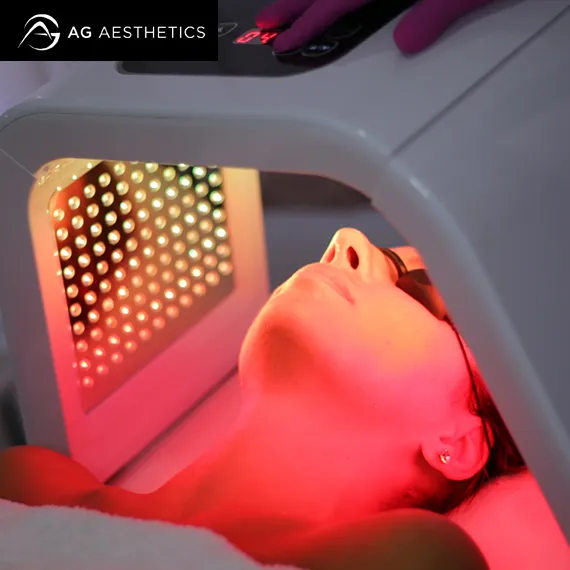
LED light therapy works by delivering controlled light energy to the skin. Different wavelengths penetrate the skin to different depths and are used for different aesthetic purposes.
Rather than treating every skin concern in the same way, aesthetic professionals can select specific wavelengths based on the patient’s needs.
Let’s look at the three commonly used wavelengths in more detail.
Blue LED Light for Acne-Prone Skin
Blue light is commonly used in LED treatments designed for acne-prone and blemish-prone skin.
Blue wavelengths can interact with compounds associated with certain acne-causing bacteria. This is one reason blue LED light is frequently incorporated into professional acne-focused skincare protocols.
Potential Benefits of Blue LED Light
Blue LED treatments may help:
- Support clearer-looking skin
- Reduce the appearance of blemishes
- Support acne-focused skincare routines
- Manage the appearance of occasional breakouts
- Complement other professional skincare treatments
Blue light is generally more focused on acne-related concerns rather than signs of skin ageing.
For individuals experiencing persistent or severe acne, professional assessment is recommended because LED therapy may not be appropriate as the only treatment.
Red LED Light for Skin Rejuvenation
Red LED light is one of the most widely used wavelengths in cosmetic LED phototherapy.
Red light is commonly incorporated into skin-rejuvenation treatments because it can support cellular processes associated with healthy-looking skin.
Potential Benefits of Red LED Light
Red LED light may help support:
- The appearance of firmer skin
- A smoother-looking complexion
- The appearance of fine lines
- Overall skin rejuvenation
- A healthier-looking complexion
Red light is particularly popular among people interested in maintaining youthful-looking skin without invasive procedures.
Near-Infrared LED Light for Deeper Skin Treatment
Near-infrared light has a longer wavelength than visible red light, allowing it to interact with tissue at greater depths.
In aesthetic settings, near-infrared LED light is often used alongside red light as part of skin-rejuvenation and wellness-focused protocols.
Potential Benefits of Near-Infrared Light
Depending on the device and treatment protocol, near-infrared light may be used to support:
- Skin rejuvenation
- Overall skin appearance
- Cellular processes
- Recovery-focused treatment protocols
- Professional LED treatment plans
Because near-infrared wavelengths penetrate deeper than visible red light, they can complement red LED treatments when used appropriately.
Blue vs Red vs Near-Infrared LED Light
Each wavelength has a different role in aesthetic skincare.
LED Light | Common Application | Main Focus |
Blue | Acne-focused treatments | Blemish-prone skin |
Red | Skin rejuvenation | Fine lines and overall skin appearance |
Near-infrared | Deeper light-based protocols | Rejuvenation and cellular support |
The best wavelength depends on the skin concern being addressed. Some professional LED devices combine multiple wavelengths within a single treatment session.
Can Red and Blue LED Light Be Used Together?
LED phototherapy can provide several advantages compared with more invasive aesthetic procedures.
1. Non-Invasive Treatment
LED therapy does not typically involve needles, incisions, or intentionally removing layers of skin.
2. Minimal Downtime
Many LED treatments require little to no recovery time, allowing people to return to their normal activities after a session.
3. Different Wavelengths for Different Concerns
The availability of different wavelengths allows practitioners to tailor treatment protocols according to individual skin goals.
4. Can Be Used as Part of a Skincare Routine
LED treatments can potentially complement a broader skincare plan rather than replacing everyday skincare.
5. Suitable for Professional Aesthetic Clinics
LED phototherapy can be incorporated into treatment menus at aesthetic clinics as a standalone or complementary treatment, depending on the technology and professional protocol.
How Often Should You Use LED Light Therapy?
The recommended frequency depends on the LED device, wavelength, treatment intensity, skin concern, and individual treatment plan.
Some professional protocols involve several sessions over a period of weeks, followed by maintenance treatments.
It is important not to assume that more frequent treatment automatically produces better results. Always follow the device manufacturer’s instructions or the treatment schedule provided by your skincare professional.
What Happens During an LED Light Therapy Treatment?
A typical professional LED phototherapy session may involve:
Step 1: Skin Assessment
The practitioner evaluates your skin and discusses your concerns and treatment goals.
Step 2: Cleansing
The skin is cleansed to remove makeup, oil, and skincare products that may interfere with treatment.
Step 3: LED Treatment
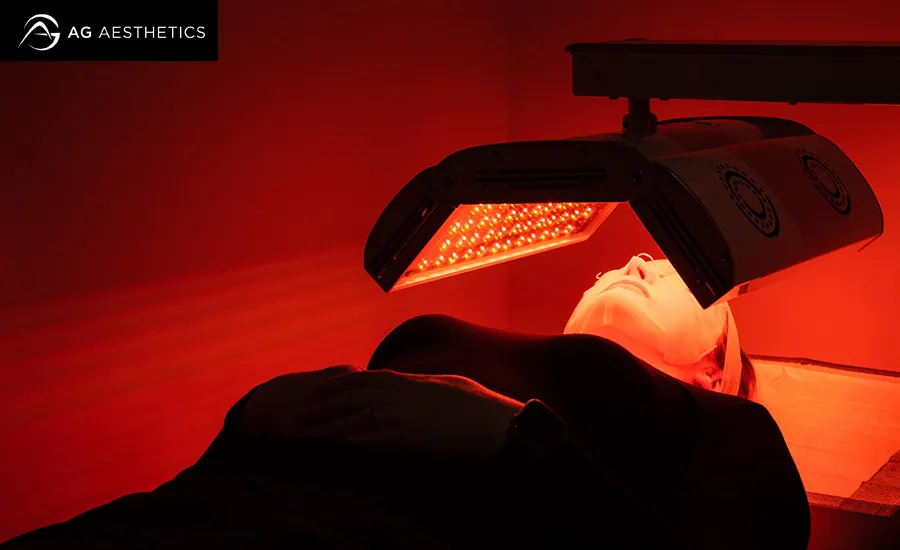
The LED device is positioned according to the manufacturer’s instructions. The selected wavelength or combination of wavelengths is then delivered to the skin for a specific amount of time.
Step 4: Post-Treatment Skincare
Depending on the clinic’s protocol, moisturiser or other suitable skincare products may be applied.
Step 5: Aftercare
The practitioner may recommend skincare and sun-protection measures following treatment.
Is LED Light Therapy Safe?
LED light therapy is generally considered a non-invasive treatment, but suitability varies from person to person.
Certain medications, medical conditions, photosensitivity, and other factors may affect whether a person is suitable for light-based treatment.
Professional assessment is particularly important if you have a skin condition, take medications that increase sensitivity to light, or have concerns about whether LED therapy is appropriate for you.
Eye protection should also be used when required by the LED device and manufacturer.
LED Light Therapy vs Laser Treatment
LED therapy and laser treatments both use light, but they are very different technologies.
LED light therapy generally uses broader, lower-intensity light and is commonly used for non-invasive skin treatments with minimal downtime.
Laser treatments use concentrated light energy and can target specific structures in the skin. Depending on the type of laser used, treatment may involve more noticeable redness, peeling, swelling, or recovery time.
The appropriate treatment depends on the individual’s skin concerns, goals, and professional assessment.
Who Can Benefit From LED Light Therapy?
LED phototherapy may be considered for people concerned about:
- Acne-prone skin
- Fine lines
- Dull-looking skin
- Uneven-looking complexion
- General skin rejuvenation
- Maintaining healthy-looking skin
However, LED therapy isn’t necessarily appropriate for everyone. A qualified aesthetic or skincare professional can help determine whether it is suitable for your individual needs.
How to Get the Most From LED Phototherapy
For the best possible experience, consider these tips:
- Follow your clinic’s treatment schedule.
- Use skincare products recommended by your professional.
- Protect your skin from excessive sun exposure.
- Follow the manufacturer’s instructions for home LED devices.
- Don’t exceed recommended treatment times.
- Maintain a consistent skincare routine.
- Keep realistic expectations about results.
LED therapy is generally best viewed as part of a consistent skincare strategy rather than a one-time solution.
Frequently Asked Questions
What does blue LED light do for the skin?
Blue LED light is commonly used in acne-focused skincare treatments and may help support clearer-looking, blemish-prone skin.
What does red LED light do for the skin?
Red LED light is commonly used for skin rejuvenation and may support the appearance of firmer, smoother, and healthier-looking skin.
What does near-infrared LED light do?
Near-infrared light uses longer wavelengths that can penetrate deeper than visible red light. It is commonly incorporated into professional rejuvenation and recovery-focused light therapy protocols.
Is LED light therapy good for ageing skin?
Red and near-infrared LED wavelengths are commonly used in aesthetic treatments targeting signs of skin ageing, including the appearance of fine lines and loss of skin firmness.
Can LED light therapy help acne?
Blue LED light is commonly used in acne-focused treatments. However, persistent or severe acne may require a more comprehensive professional treatment plan.
How long does LED light therapy take?
Treatment duration varies depending on the device and protocol. A professional can recommend the appropriate session length based on the technology being used.
Final Thoughts
Blue, red, and near-infrared LED light each have different applications in professional skincare. Blue light is commonly associated with acne-focused treatments, while red and near-infrared wavelengths are frequently used for skin rejuvenation and maintaining a healthier-looking complexion.
Because LED phototherapy is non-invasive and generally involves minimal downtime, it can be a useful addition to modern aesthetic treatment plans.
The most appropriate wavelength and treatment schedule depend on your individual skin concerns, the device being used, and professional recommendations. If you’re considering LED light therapy, consult a qualified aesthetic professional to determine which treatment approach is right for you.