



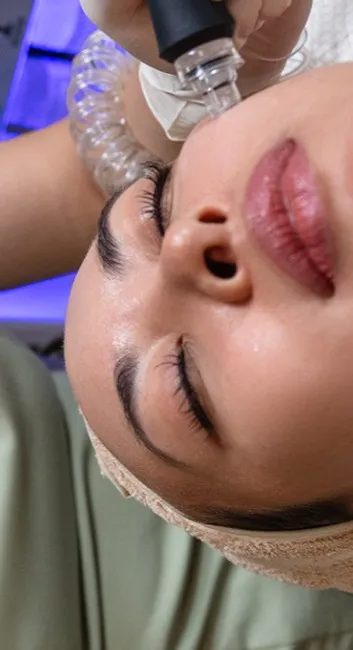
EXO|E and RF Microneedling: How They Work Together
Although these technologies work differently, they may be considered as part of a broader skin rejuvenation treatment plan. Understanding their mechanisms, potential benefits and safety requirements helps aesthetic professionals determine when each approach may be appropriate.
For aesthetic clinics in Singapore, evaluating EXO|E alongside RF microneedling requires an understanding of product-specific evidence, treatment compatibility and the importance of individualised skincare protocols.
What Is RF Microneedling?
Radiofrequency microneedling is a minimally invasive aesthetic procedure that combines fine needles with radiofrequency energy. The needles reach selected depths of the skin, where the device delivers controlled thermal energy to stimulate a wound-healing response and collagen remodelling.
Unlike traditional microneedling, which primarily uses mechanical stimulation, RF microneedling combines needle penetration with heat generated by radiofrequency energy.

How Does RF Microneedling Work?
RF microneedling generally works through three processes.
Controlled micro-injuries: Fine needles create small, controlled channels in targeted skin layers, initiating the body’s natural healing response.
Radiofrequency energy delivery: The device delivers thermal energy into the targeted tissue. The depth and intensity depend on the device design and treatment settings.
Collagen remodelling: The resulting thermal stimulus can support collagen remodelling as the skin heals. Depending on the device and individual response, RF microneedling may improve the appearance of uneven texture, fine lines, enlarged pores and certain types of acne scarring.
Results vary according to skin condition, treatment parameters and practitioner expertise. A qualified professional should assess suitability before recommending the procedure.
What Is EXO|E Plant-Based Exosome Technology?
EXO|E is a plant-based exosome technology intended for professional aesthetic applications. It is designed to form part of selected skincare and skin rejuvenation protocols.
In biological research, exosomes are a specific type of extracellular vesicle involved in cell-to-cell communication. However, plant-derived vesicles and plant-based skincare formulations are not automatically equivalent to human or mammalian cell-derived exosomes. Their composition, biological activity and supporting evidence may differ.
The precise formulation and proposed mechanism of EXO|E should therefore be evaluated using the manufacturer’s documentation and product-specific research.
What Is the Role of EXO|E in Skin Rejuvenation?
EXO|E may be incorporated into professional skincare protocols according to its verified formulation and intended use. When evaluating the technology, aesthetic practitioners should consider the following factors:
- Formulation and ingredients: The components included in the product and their intended functions.
- Skin compatibility: Whether the product is suitable for the individual’s skin condition.
- Application method: Whether the product is intended for topical use or a specific professional treatment protocol.
- Clinical evidence: Research supporting the product’s safety and proposed benefits.
- Treatment compatibility: Whether the product is suitable for use alongside procedures that temporarily disrupt the skin barrier.
Learn more about EXO|E plant-based exosome technology and its professional aesthetic applications.
How Do EXO|E and RF Microneedling Work Together?
EXO|E and RF microneedling have different roles within aesthetic skincare. RF microneedling provides controlled mechanical and thermal stimulation, whilst EXO|E is a formulation-based technology whose potential contribution depends on its ingredients and intended application.
When considered within the same treatment plan, the aim is to select appropriate technologies for specific skin concerns rather than assume that combining them automatically produces better results.
1. RF Microneedling Targets Skin Texture and Collagen Remodelling
Collagen is an important structural protein that contributes to the skin’s firmness and resilience. Changes in collagen and other structural components can contribute to visible signs of ageing, including fine lines, reduced firmness and uneven skin texture.
RF microneedling delivers controlled thermal energy into selected skin layers, stimulating a wound-healing response and supporting collagen remodelling over time.
Depending on the individual’s skin concerns and the treatment protocol, RF microneedling may be considered for:
- Uneven skin texture
- The appearance of enlarged pores
- Selected types of acne scarring
- Fine lines and wrinkles
- Mild skin laxity
The extent of improvement varies, and not every skin concern will respond equally.
2. EXO|E Offers a Formulation-Based Approach to Professional Skincare
EXO|E may complement a broader aesthetic treatment plan when its formulation, intended use and supporting evidence make it appropriate.
Research into plant-derived extracellular vesicles and other plant-based skincare ingredients is exploring their potential cosmetic applications. However, findings from general research cannot automatically establish the effectiveness of a specific commercial product.
Any claims that EXO|E supports skin recovery, hydration, collagen production or other outcomes should be based on evidence specific to the formulation and its intended use.
3. A Combined Treatment Plan Requires Professional Assessment
The suitability of using EXO|E and RF microneedling together depends on several factors, including the patient’s skin condition, treatment goals, device settings and product application instructions.
A qualified practitioner should assess whether the technologies are compatible and whether they should be used during the same appointment or at separate stages of a treatment plan.
Importantly, a product suitable for application to intact skin is not automatically suitable for use immediately after RF microneedling. The procedure can temporarily disrupt the skin barrier, making product formulation, application route and safety guidance particularly important.
EXO|E should not be introduced through microneedling channels or applied to freshly treated skin unless the manufacturer’s instructions and relevant safety guidance specifically support that use.
EXO|E vs RF Microneedling: Key Differences
EXO|E and RF microneedling are distinct technologies used in professional aesthetics. EXO|E focuses on plant-based exosome technology, whilst RF microneedling combines fine needles with radiofrequency energy to stimulate skin remodelling.
Technology type: EXO|E is a plant-based exosome technology intended for professional aesthetic applications. RF microneedling is a device-based procedure that delivers controlled radiofrequency energy through fine needles
Primary purpose: EXO|E may be incorporated into skincare and aesthetic protocols according to its formulation and intended use. RF microneedling targets selected skin concerns, including uneven texture, certain types of acne scarring and reduced skin firmness.
How they work: The mechanism of EXO|E depends on its ingredients and documented product-specific evidence. RF microneedling creates controlled micro-injuries and delivers thermal energy to targeted skin layers, stimulating a wound-healing response and collagen remodelling.
Potential benefits: The potential benefits of EXO|E depend on its formulation and supporting clinical evidence. RF microneedling may improve the appearance of skin texture, fine lines and selected acne scars, although results vary between individuals.
Treatment approach: EXO|E should be used according to the manufacturer’s instructions and intended application. RF microneedling requires an appropriate device, carefully selected treatment settings and a qualified practitioner.
treatment settings and a qualified practitioner.
Safety and clinical evidence: EXO|E requires product-specific safety and efficacy information, whilst RF microneedling requires consideration of device-specific evidence, skin suitability, treatment technique and aftercare.
Can EXO|E and RF Microneedling Be Used Together?
EXO|E and RF microneedling may be considered within a broader skin rejuvenation plan, but their compatibility must be established before combining them. RF microneedling provides controlled mechanical and thermal stimulation, whilst EXO|E offers a formulation-based approach to professional aesthetic skincare.
The appropriate treatment sequence depends on the product’s intended application, the device protocol and the available safety evidence. Products should not be applied to freshly treated
skin or introduced through microneedling channels unless their suitability for that specific use has been established.
For aesthetic professionals, understanding these differences is essential when developing appropriate treatment protocols and setting realistic expectations for skin rejuvenation.
Potential Benefits of EXO|E and RF Microneedling
The two technologies may be considered for different purposes within a broader skin rejuvenation plan. However, their potential benefits should be evaluated separately, and any additional benefit from combining them requires appropriate evidence.
Improving the Appearance of Skin Texture
RF microneedling may help improve selected texture concerns by stimulating collagen remodelling. Whether EXO|E offers an additional benefit depends on its formulation and product-specific clinical evidence.
Supporting an Individualised Skincare Approach
Every individual’s skin has different needs. A practitioner can assess whether RF microneedling, a suitable skincare formulation or an alternative treatment is appropriate based on the patient’s skin concerns, medical history and treatment goals.
Integrating Professional Aesthetic Treatments
When the product is appropriate for the intended application, EXO|E may form part of a structured professional skincare protocol. Treatment timing, application methods and aftercare should follow the manufacturer’s instructions and professional guidance.
Setting Realistic Treatment Expectations
Neither technology guarantees a particular result. Outcomes depend on the individual’s skin, treatment parameters, practitioner expertise and aftercare. Evidence supporting RF microneedling should not be treated as proof that EXO|E enhances its effects.
Is EXO|E Suitable for Use After RF Microneedling?
This is an important consideration for aesthetic professionals because RF microneedling can temporarily disrupt the skin barrier. Depending on the treatment, patients may experience redness, swelling, tenderness or pinpoint bleeding.
Before using EXO|E after RF microneedling, practitioners should:
- Review the official product instructions and intended application route.
- Confirm whether use on recently treated skin is explicitly supported.
- Assess product quality, formulation and relevant safety information.
- Follow the RF microneedling device manufacturer’s post-treatment guidance.
- Avoid unapproved application methods or introducing products into disrupted skin.
- Provide suitable aftercare instructions and monitor recovery.
If the manufacturer’s guidance does not establish compatibility, immediate post-procedure use should not be assumed to be safe.
Who May Be Suitable for RF Microneedling and EXO|E?
Suitability depends on the individual’s skin condition, medical history, treatment goals and the intended use of each technology.
RF microneedling may be considered for selected concerns involving skin texture, acne scarring and firmness. Whether EXO|E should be included in the same treatment plan depends on its verified indications and supporting evidence.
A professional consultation should consider current skin sensitivity, active acne or infection, a history of abnormal scarring, relevant medications, previous aesthetic procedures, pigmentation risk and expected downtime.
A qualified practitioner should determine whether treatment is appropriate, whether it needs to be postponed or whether another approach would be more suitable.
Safety and Aftercare Considerations
RF microneedling can cause temporary redness, swelling and discomfort. Potential complications include infection, burns, scarring and pigmentation changes. The level of risk depends on the device, treatment settings, technique and individual characteristics.
After treatment, patients should follow their practitioner’s instructions, use suitable gentle skincare and protect their skin from the sun. Potentially irritating products should be avoided until the skin has recovered, according to professional guidance.
EXO|E or any other skincare formulation should only be used on recently treated skin when its suitability for that application has been established.
Seek medical advice if symptoms worsen, pain becomes severe, redness spreads or signs of infection develop.
Frequently Asked Questions
Can EXO|E and RF microneedling be used together?
They may be considered within the same overall aesthetic treatment plan, but compatibility depends on the EXO|E formulation, its intended application and the RF microneedling protocol. Product instructions and supporting evidence should be reviewed before combining them.
Does EXO|E improve the results of RF microneedling?
An additional benefit should not be assumed. RF microneedling has its own mechanism of action, and any claim that EXO|E enhances its results should be supported by evidence for the specific product and combined protocol.
Can EXO|E be applied immediately after RF microneedling?
Only if the product is specifically suitable for that application and the manufacturer’s instructions and relevant professional guidance support its use. General topical suitability does not establish safety on skin with a disrupted barrier.
How many RF microneedling sessions are needed?
The number of sessions depends on the individual’s skin concerns, device, treatment settings and response. A qualified practitioner should recommend a treatment schedule after consultation.
Is RF microneedling suitable for all skin types?
Not necessarily. Suitability depends on the device, treatment parameters, skin condition and individual risk factors. A practitioner should assess the risk of pigmentation changes and other complications before proceeding.
Where can aesthetic professionals learn more about EXO|E?
Visit AG Aesthetics Singapore’s EXO|E page for further information about the technology and its professional aesthetic applications.
Conclusion: Combining EXO|E and RF Microneedling Thoughtfully
EXO|E and RF microneedling represent two different approaches within aesthetic skincare. RF microneedling uses controlled needle penetration and radiofrequency energy to stimulate skin remodelling, whilst EXO|E is a plant-based exosome technology whose role depends on its verified formulation and intended use.
For aesthetic clinics in Singapore, the priority is to establish whether these technologies are appropriate for the patient’s needs, compatible with one another and supported by reliable evidence.
By following manufacturer instructions, using device-specific protocols and setting realistic expectations, practitioners can make informed decisions about incorporating EXO|E into professional skin rejuvenation plans.