



Can Vein Finders Improve the Patient Experience? What the Research Shows
What Are Vein Finders?
Vein finders are non-invasive devices that use near-infrared (NIR) light to detect superficial veins beneath the skin. The technology projects a real-time image of the vascular network onto the skin’s surface, helping healthcare professionals identify suitable veins for blood draws, IV insertions, and other vascular access procedures.
These devices are commonly used in:
- Hospitals
- Emergency departments
- Pediatric units
- Oncology centers
- Dialysis clinics
- Aesthetic and cosmetic practices

Why Patient Experience Matters
Patient experience is an important measure of healthcare quality. A positive experience can improve patient satisfaction, increase trust in healthcare providers, and reduce anxiety associated with future procedures.
When vascular access is difficult, patients may experience:
- Multiple needle insertion attempts
- Pain and discomfort
- Bruising and swelling
- Delays in treatment
- Increased stress and anxiety
Reducing these challenges can have a significant impact on overall patient satisfaction.
What Research Says About Vein Finders
Improved Vein Visualization
Studies have shown that vein finders can improve the visibility of superficial veins, particularly in patients with difficult venous access. Enhanced visualization allows clinicians to identify potential insertion sites more efficiently and confidently.
Potential for Fewer Needle Sticks
Research indicates that vein finders may help reduce the number of insertion attempts in certain patient populations, especially those with difficult-to-locate veins. Fewer needle sticks often translate into a more comfortable patient experience.
Benefits for Pediatric Patients
Children are among the groups most likely to benefit from vein visualization technology. Pediatric patients often have smaller veins and may experience significant anxiety during needle procedures. Improved vein identification can reduce procedure time and lessen the emotional stress associated with repeated attempts.
Reduced Anxiety and Greater Confidence
Patients frequently report feeling more confident when clinicians use advanced visualization tools. Knowing that technology is being used to improve accuracy may help reduce procedural anxiety and increase trust in the healthcare process.
Mixed Results on First-Attempt Success Rates
While many studies show improvements in vein visibility, research findings on first-attempt IV success rates have been mixed. Some studies report significant improvements, while others find little difference compared to standard techniques. Outcomes often depend on patient characteristics, clinician experience, and the specific clinical setting.
Patient Groups That May Benefit Most
Vein finders may be particularly valuable for:
- Children and infants
- Older adults
- Patients with obesity
- Individuals with darker skin tones
- Oncology patients
- Patients undergoing frequent IV therapy
- Individuals with a history of difficult intravenous access
In these populations, locating veins can be more challenging, making visualization technology especially helpful.
Beyond Comfort: Additional Benefits
Reduced Bruising
By helping clinicians select appropriate veins and insertion sites, vein finders may reduce accidental vessel trauma, which can lower the risk of bruising and swelling.
Faster Procedures
Improved vein identification can streamline the insertion process, reducing procedure times and minimizing delays in treatment.
Increased Provider Confidence
Healthcare professionals may feel more confident when using vein visualization tools, particularly in challenging cases. Greater confidence can contribute to smoother procedures and improved patient interactions.
Enhanced Workflow Efficiency
Fewer failed attempts and shorter procedure times can improve workflow efficiency in busy healthcare environments, benefiting both patients and providers.
Limitations of Vein Finder Technology
Although vein finders offer valuable advantages, they are not a universal solution.
Some limitations include:
- They primarily visualize superficial veins.
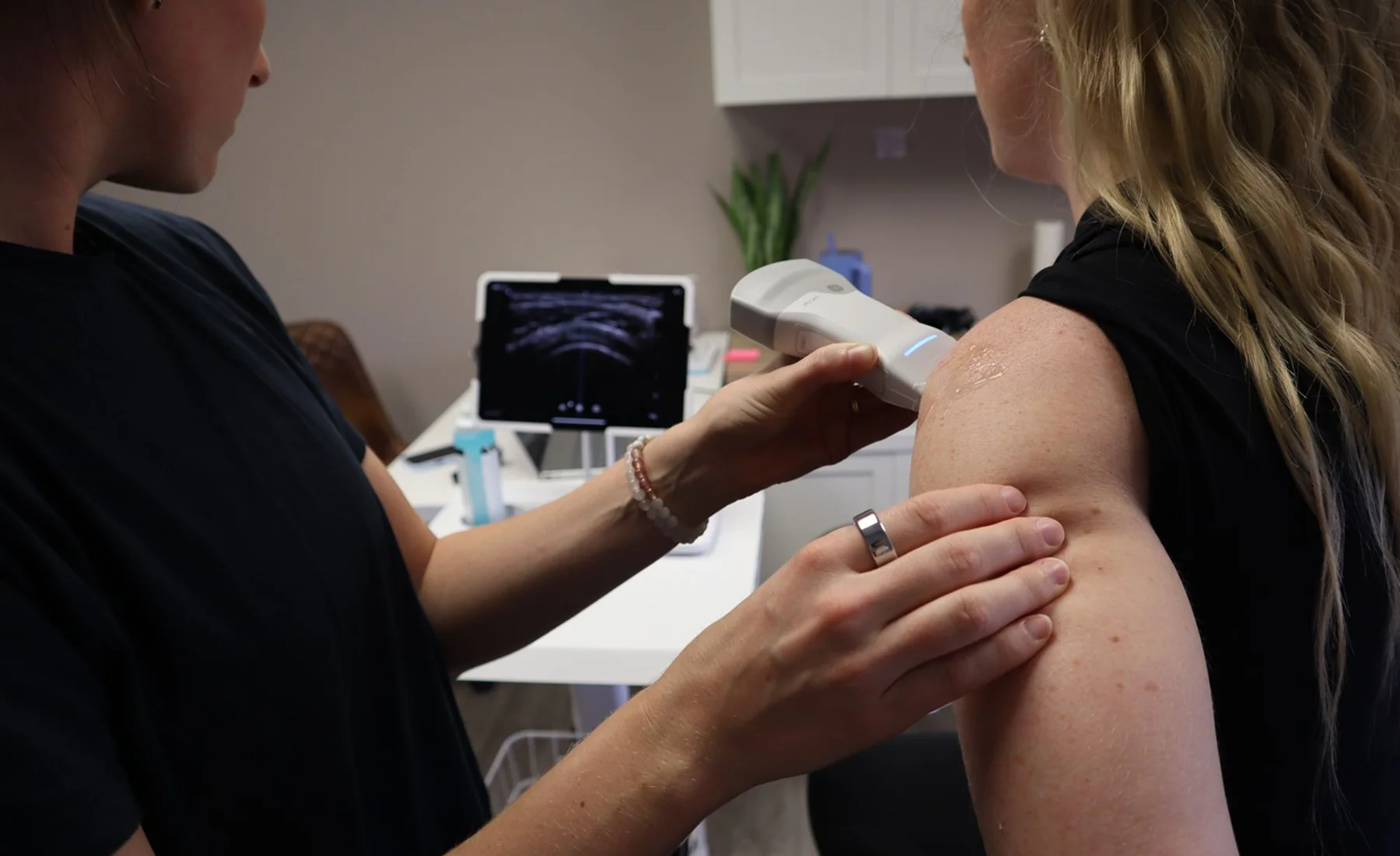
- Deep veins may still require ultrasound guidance.
- Success depends on clinician training and technique.
- Not all patients experience the same level of benefit.
- Device performance may vary depending on patient anatomy and skin characteristics.
For these reasons, vein finders are best viewed as supportive tools rather than replacements for clinical expertise.
The Future of Patient-Centered Vascular Access
As healthcare increasingly focuses on patient-centered care, technologies that improve comfort, efficiency, and safety are likely to become more common. Vein finders represent one example of how innovation can help create a more positive healthcare experience by reducing procedural challenges and improving confidence for both patients and clinicians.
Future advancements may include enhanced imaging capabilities, artificial intelligence-assisted vein detection, and integration with ultrasound systems for even greater precision.
Conclusion
Research suggests that vein finders can improve the patient experience by enhancing vein visualization, reducing the likelihood of multiple needle sticks, decreasing anxiety, and potentially minimizing bruising. While results may vary depending on the patient population and clinical setting, vein visualization technology has become a valuable tool in modern healthcare. When combined with skilled clinical practice, vein finders can contribute to safer, more comfortable, and more efficient vascular access procedures.
Frequently Asked Questions (FAQs)
1. What is a vein finder?
A vein finder is a non-invasive device that uses near-infrared light to visualize superficial veins beneath the skin, helping healthcare professionals locate suitable veins for needle-based procedures.
2. Do vein finders reduce pain during IV insertion?
Vein finders do not directly reduce pain, but they may decrease the number of needle insertion attempts, which can improve patient comfort and reduce overall discomfort.
3. Are vein finders effective for all patients?
Vein finders can be helpful for many patients, but they are particularly beneficial for individuals with difficult venous access, such as children, older adults, and patients with obesity or chronic illnesses.
4. Can vein finders improve first-stick success rates?
Research shows mixed results. While many studies report improved vein visibility and fewer insertion attempts, first-stick success rates can vary depending on the patient, provider, and clinical environment.
5. Are vein finders safe?
Yes. Vein finders are non-invasive devices that use near-infrared light and do not expose patients to radiation or require any contact with blood vessels.
6. Do vein finders work better than ultrasound?
Vein finders and ultrasound serve different purposes. Vein finders are useful for locating superficial veins, while ultrasound is often preferred for identifying deeper vessels in patients with difficult vascular access.
7. Can vein finders help reduce bruising?
They may help reduce bruising by assisting clinicians in selecting appropriate veins and minimizing unnecessary needle insertions, though bruising cannot be completely eliminated.
8. Are vein finders commonly used in pediatric care?
Yes. Vein finders are widely used in pediatric settings because children often have smaller veins and may experience greater anxiety during needle procedures.
9. Do patients feel more confident when vein finders are used?
Many patients report increased confidence and reassurance when advanced visualization technology is used to support the procedure.
10. Can vein finders replace healthcare provider expertise?
No. Vein finders are supportive tools that enhance visualization, but successful vascular access still depends on the skill, experience, and clinical judgment of the healthcare professional.