



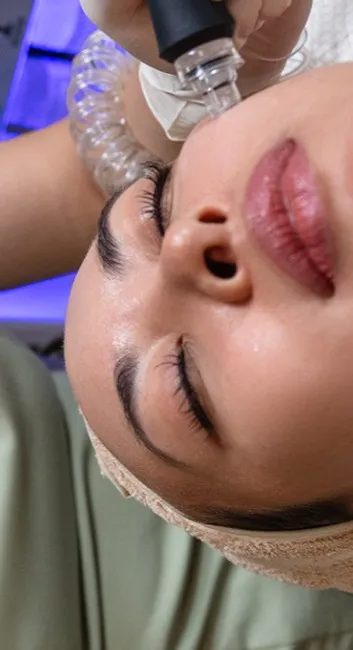
Benefits of Medical-Grade LED Light Therapy for Skin Rejuvenation
Unlike ultraviolet (UV) light, LED therapy does not damage the skin when properly administered. Different wavelengths can target different skin concerns, making medical-grade LED light therapy a versatile option for skin rejuvenation.
What Is Medical-Grade LED Light Therapy?
Medical-grade LED light therapy is a non-invasive skincare treatment that uses controlled wavelengths of light to stimulate biological processes within the skin. Depending on the wavelength used, LED light can reach different depths of the skin and support specific therapeutic goals.
Common wavelengths include:
- Red light: Often used to support collagen production and improve the appearance of fine lines.
- Near-infrared light: Can penetrate deeper into tissue and is commonly used to support cellular activity and recovery.
- Blue light: Frequently used for acne-prone skin because of its effects on acne-causing bacteria.
- Combination treatments: Some devices use multiple wavelengths to address several skin concerns during one session.
Medical-grade devices are generally designed to deliver controlled light intensity and specific wavelengths under professional guidance.
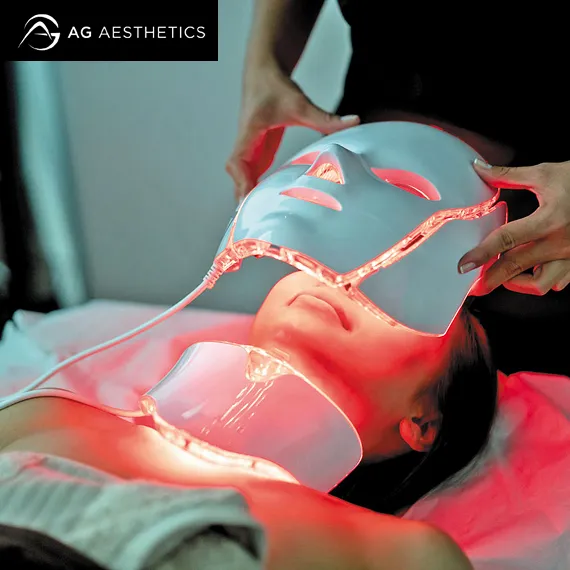
Benefits of LED Light Therapy for Skin Rejuvenation
1. Supports Collagen Production
Collagen helps maintain the skin’s firmness, structure, and elasticity. As we age, natural collagen production gradually decreases, which can contribute to fine lines and loss of firmness.
Red and near-infrared LED light therapy may stimulate cellular processes associated with collagen production. With consistent treatment, this can help improve the appearance of fine lines and support smoother-looking skin.
2. Helps Improve Fine Lines and Wrinkles
One of the main reasons people choose LED light therapy is to address visible signs of aging.
By supporting collagen and elastin-related processes, LED therapy may help skin appear firmer and more youthful. It is particularly appealing to people who want a non-invasive approach to improving the appearance of fine lines without procedures that require significant downtime.
3. Promotes a Healthier-Looking Complexion
LED therapy can support cellular activity and circulation, helping the skin look brighter and more refreshed.
Regular treatments may contribute to a more even-looking complexion and improve the overall appearance of tired or dull skin.
4. Supports Skin Repair and Recovery
Red and near-infrared wavelengths are commonly used to support the skin’s natural recovery processes.
This makes LED light therapy an option for people looking to maintain healthier-looking skin following certain cosmetic treatments. However, the appropriate timing of LED therapy after a procedure should always be determined by a qualified professional.
5. May Help Reduce Inflammation
Inflammation can contribute to redness, sensitivity, and several common skin concerns. Certain LED wavelengths may have anti-inflammatory effects that help calm the appearance of irritated skin.
This can make LED therapy particularly useful as part of a broader skincare routine for individuals with inflammation-prone skin.
6. Can Support Acne-Prone Skin
Blue LED light is commonly used in treatments designed for acne-prone skin. It may help target Cutibacterium acnes, bacteria associated with acne.
Some professional treatments combine blue light with red light to address both acne-related concerns and inflammation. LED therapy may be useful as part of an acne management routine, although it should not replace treatment recommended by a dermatologist when acne is moderate or severe.
7. Non-Invasive and Generally Requires Little Downtime
Unlike surgical procedures and some aggressive skin treatments, LED light therapy does not involve needles, incisions, or intentional removal of the outer layer of the skin.
Most people can return to their normal activities after a session. This makes it an attractive option for individuals looking for a convenient addition to their skincare routine.
8. Suitable for Different Skin Types
Because LED therapy does not rely on exfoliating or removing the skin’s surface, it can be suitable for many different skin types.
However, individual suitability depends on factors such as skin sensitivity, medications, existing skin conditions, and the specific device being used. Professional assessment is recommended before treatment.
Medical-Grade LED vs. At-Home LED Devices
Not all LED devices are the same. Medical-grade systems are designed to deliver specific wavelengths and controlled levels of light, while consumer devices can vary considerably in their specifications and performance.
Professional LED treatments may also provide more consistent treatment protocols and allow a qualified practitioner to select wavelengths based on individual skin concerns.
When choosing an LED treatment, consider:
- The wavelengths used
- Light intensity and treatment specifications
- Device quality and regulatory status
- Treatment duration and frequency
- Professional supervision
- Your individual skin concerns
What to Expect During an LED Light Therapy Treatment
An LED treatment is generally straightforward. The skin is typically cleansed before the LED device is positioned over the treatment area.
During the session, you may see bright colored light while the device delivers the selected wavelength. LED therapy is generally painless, although some people may experience mild warmth.
Treatment time varies depending on the device and treatment protocol. A skincare professional can recommend the appropriate number and frequency of sessions based on your goals.
How Long Does It Take to See Results?
LED light therapy usually requires consistency rather than a single treatment. Results can vary depending on the person’s skin condition, the wavelength used, the treatment device, and the frequency of sessions.
Some people may notice their skin looks more refreshed after several treatments, while improvements in concerns such as fine lines may require a longer course of consistent treatment.
Following a professional treatment plan is important for achieving and maintaining results.
Is Medical-Grade LED Light Therapy Safe?
LED light therapy is generally considered a non-invasive treatment, but safety depends on using an appropriate device correctly.
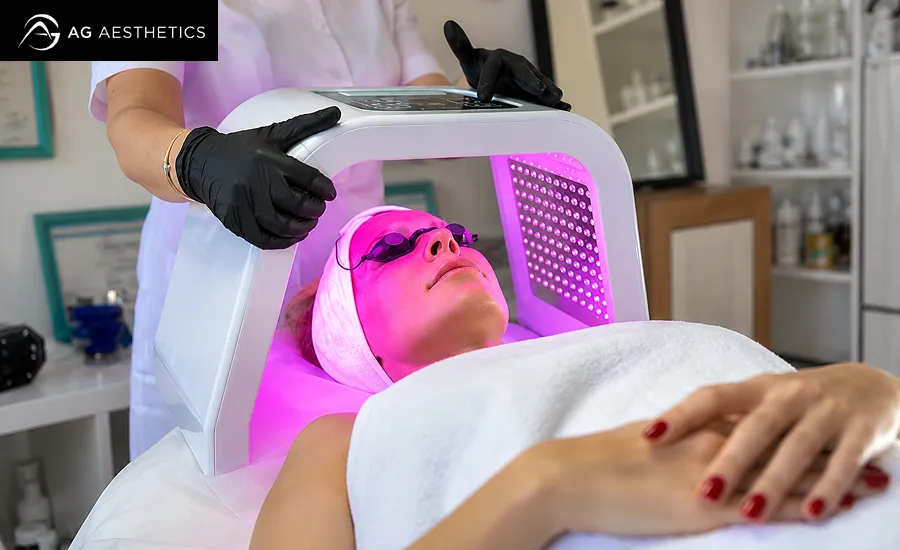
Always follow the manufacturer’s instructions and professional guidance. Eye protection may be necessary depending on the device and wavelength being used.
People taking medications that increase sensitivity to light or those with certain medical or skin conditions should consult a qualified healthcare professional before undergoing LED therapy.
Why Choose LED Light Therapy for Skin Rejuvenation?
Medical-grade LED light therapy offers an appealing combination of non-invasive treatment, minimal downtime, and targeted light wavelengths. It can support several aspects of skin health, including collagen production, inflammation management, skin recovery, and the appearance of fine lines.
While LED therapy can be a valuable addition to a professional skincare plan, it works best when combined with other fundamentals such as daily sunscreen, gentle cleansing, moisturization, and a skincare routine suited to your skin type.
Final Thoughts
Medical-grade LED light therapy is an increasingly popular approach to skin rejuvenation because it uses specific wavelengths of light to support the skin’s natural biological processes. From improving the appearance of fine lines and supporting collagen to calming inflammation and helping acne-prone skin, different LED wavelengths can address different skincare goals.
For the best results, choose a professionally administered treatment using an appropriate medical-grade device and discuss your skin concerns with a qualified skincare professional before starting treatment.