



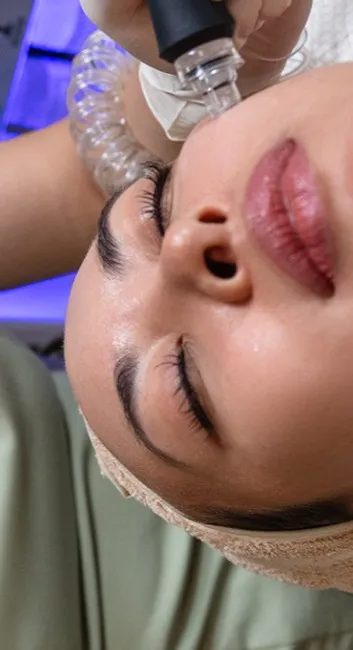
How LED Phototherapy Helps Reduce Acne Naturally
Using specific wavelengths of light, LED phototherapy can help address acne-causing bacteria, inflammation, and other factors that contribute to breakouts. When used correctly, it can be incorporated into a professional skincare routine to support healthier-looking skin.
What Is LED Phototherapy?
LED phototherapy, also called LED light therapy, is a non-invasive treatment that uses specific wavelengths of light to interact with cells in the skin.
Unlike ultraviolet (UV) light, therapeutic LED light does not rely on UV radiation. Different wavelengths have different effects, which means treatment can be tailored to particular skin concerns.
For acne-prone skin, blue and red LED light are among the most commonly used wavelengths.
- Blue light: Commonly used to target Cutibacterium acnes, bacteria associated with acne.
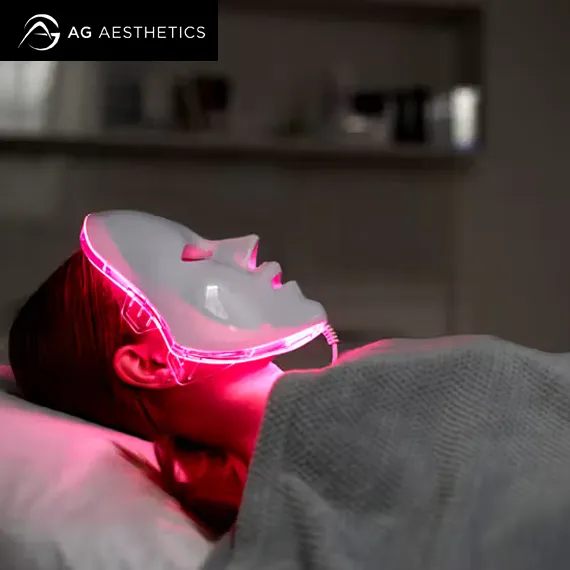
- Red light: Often used to support the skin’s natural healing response and help calm inflammation.
- Combined blue and red light: May address both acne-related bacteria and inflammation.
How Does LED Phototherapy Help Acne?
1. Targets Acne-Causing Bacteria
One of the key ways blue LED light may help acne-prone skin is by targeting Cutibacterium acnes.
This bacterium can contribute to inflammation and the development of acne lesions. Blue light can interact with naturally occurring compounds associated with these bacteria, creating a process that may help reduce their activity.
By addressing one factor involved in acne development, LED phototherapy may help support clearer-looking skin over time.
2. Helps Calm Skin Inflammation
Inflammation plays an important role in many types of acne, particularly red and swollen breakouts.
Red LED light is commonly used to support the skin’s natural recovery processes and may help reduce the appearance of inflammation. This can make the skin look calmer and less irritated.
Combining red and blue wavelengths may therefore provide a broader approach to managing acne-prone skin.
3. Supports Skin Recovery
Acne can leave the skin irritated even after an active breakout begins to heal.
Red and near-infrared wavelengths are commonly used in light-based skincare treatments to support cellular activity and the skin’s natural repair processes. This may help the skin recover following breakouts and contribute to a healthier-looking complexion.
4. Non-Invasive Acne Support
One of the advantages of LED phototherapy is that it does not involve needles, injections, or intentionally removing the skin’s surface.
A typical treatment involves positioning an LED device over the skin for a specified period. Most people can resume their normal activities afterward, making it a convenient option for those who want a treatment with little or no downtime.
5. May Help Reduce the Frequency of Breakouts
Consistent LED treatments may help address some of the factors involved in acne, including bacteria and inflammation.
However, results vary from person to person. LED therapy is generally better viewed as part of an overall acne-care routine rather than a guaranteed standalone cure.
Blue Light vs. Red Light for Acne
Understanding the difference between LED wavelengths can help explain why some treatments combine multiple types of light.
LED Light | Common Purpose |
Blue light | Targets acne-associated bacteria |
Red light | Supports skin recovery and helps calm inflammation |
Near-infrared light | Penetrates deeper and supports cellular processes |
Blue + red light | Combines antibacterial and anti-inflammatory approaches |
The ideal wavelength and treatment protocol depend on the individual’s skin concerns and the specifications of the LED device.
Can LED Phototherapy Treat All Types of Acne?
LED phototherapy may be more suitable for some forms of acne than others. It is commonly considered for inflammatory acne and mild to moderate breakouts.
However, severe, cystic, or persistent acne may require professional medical treatment. A dermatologist can determine whether LED therapy is appropriate and whether it should be combined with other acne treatments.
LED therapy also does not address every factor involved in acne, such as hormonal changes, excess oil production, clogged pores, and certain medications.
How Often Should You Use LED Phototherapy?
Treatment frequency depends on the LED device, wavelength, light intensity, and treatment protocol.
Professional treatments may be scheduled several times over a number of weeks, while at-home devices have their own manufacturer’s instructions. Using an LED device more frequently than recommended does not necessarily produce faster results.
For professional LED phototherapy, follow the treatment schedule recommended by a qualified skincare professional.
What to Expect During an LED Treatment
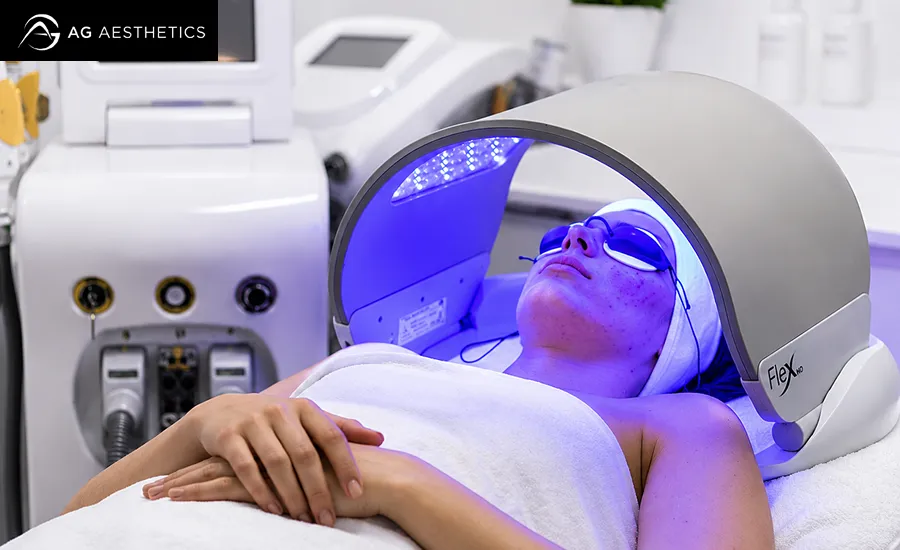
LED phototherapy is generally simple and comfortable. Before treatment, the skin is usually cleansed to remove makeup, oil, and skincare products.
The LED device is then positioned over the treatment area. You may notice bright blue or red light during the session, and some devices may produce mild warmth.
After treatment, there is generally little to no recovery time. Your skincare professional may recommend specific products or precautions depending on your skin condition.
Is LED Phototherapy Safe?
LED phototherapy is generally considered a non-invasive treatment, but it should still be used correctly.
Always follow the device’s instructions and use appropriate eye protection when recommended. People who take medications that increase light sensitivity or have certain skin or medical conditions should consult a healthcare professional before using light-based treatments.
Professional guidance is particularly important when treating persistent or severe acne.
How Long Does It Take to See Results?
LED phototherapy typically requires consistent treatments. Some people may notice improvements in the appearance of their skin after several sessions, while others may need a longer treatment period.
Results can depend on:
- The severity and type of acne
- The wavelength used
- Treatment frequency
- Device specifications
- Individual skin characteristics
- Other skincare or acne treatments being used
Taking before-and-after photos can help you track gradual changes that may be difficult to notice from day to day.
How to Get Better Results From LED Acne Therapy
LED phototherapy can work best as part of a complete acne-care routine. Consider combining professional guidance with basic skincare habits such as:
- Cleanse the skin gently twice daily.
- Avoid picking or squeezing breakouts.
- Use non-comedogenic skincare products when possible.
- Apply sunscreen during the day.
- Keep pillowcases, phones, and other frequently touched surfaces clean.
- Follow the recommended LED treatment schedule.
- Give treatments enough time to work rather than expecting overnight results.
Final Thoughts
LED phototherapy offers a gentle, non-invasive approach to supporting acne-prone skin. Blue LED light may help target acne-associated bacteria, while red light can support the skin’s natural recovery process and help calm inflammation.
Although LED therapy can be a useful addition to an acne skincare routine, it is not a universal cure. For persistent, painful, or severe acne, professional dermatological advice is important.
With the right wavelength, appropriate treatment schedule, and consistent skincare routine, LED phototherapy may help support clearer, calmer, and healthier-looking skin.