



What Is LED Phototherapy? A Complete Guide for Aesthetic Clinics
For aesthetic clinics looking to expand their treatment offerings, understanding how LED phototherapy works, its benefits, different light wavelengths, and who can benefit from treatment is essential.
What Is LED Phototherapy?
LED phototherapy, also known as LED light therapy, is a non-invasive skin treatment that uses different wavelengths of visible light to target specific skin concerns.
Unlike laser treatments, LED phototherapy does not use heat to remove or damage the skin. Instead, light is delivered to the skin at specific wavelengths, with different colours of LED light commonly used for different cosmetic goals.
The most commonly used wavelengths include:
- Red light: Often used to support collagen production and improve the appearance of fine lines and wrinkles.
- Near-infrared light: Uses longer wavelengths that can penetrate deeper into the skin and is commonly incorporated into rejuvenation treatments.
- Blue light: Commonly used in treatments designed for blemish-prone skin.
- Green light: Sometimes used in cosmetic treatments targeting uneven-looking skin tone and pigmentation.
The exact wavelength, treatment duration, and protocol depend on the LED device and the patient’s individual skin concerns.
How Does LED Phototherapy Work?
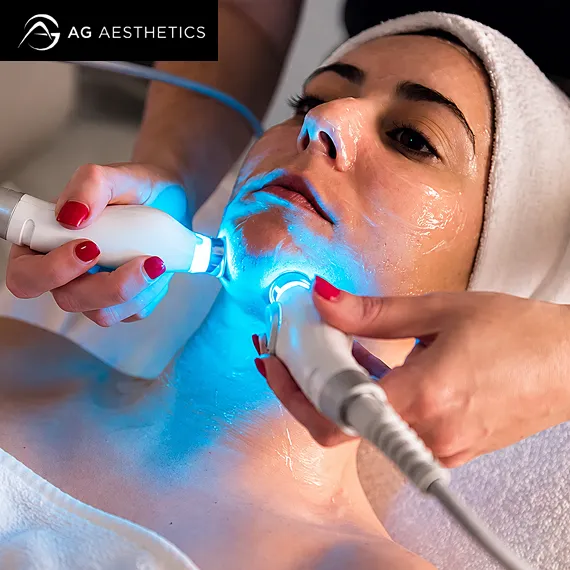
LED phototherapy works by exposing the skin to controlled wavelengths of light. These wavelengths interact with cells in the skin and are intended to support natural cellular processes.
For example, red and near-infrared wavelengths are commonly used in aesthetic treatments designed to promote skin rejuvenation. Blue light is frequently incorporated into protocols for acne-prone skin.
A typical LED phototherapy session involves the following steps:
- Skin assessment: The practitioner evaluates the patient’s skin and discusses their concerns and treatment goals.
- Skin preparation: The skin is cleansed to remove makeup, oils, and skincare products.
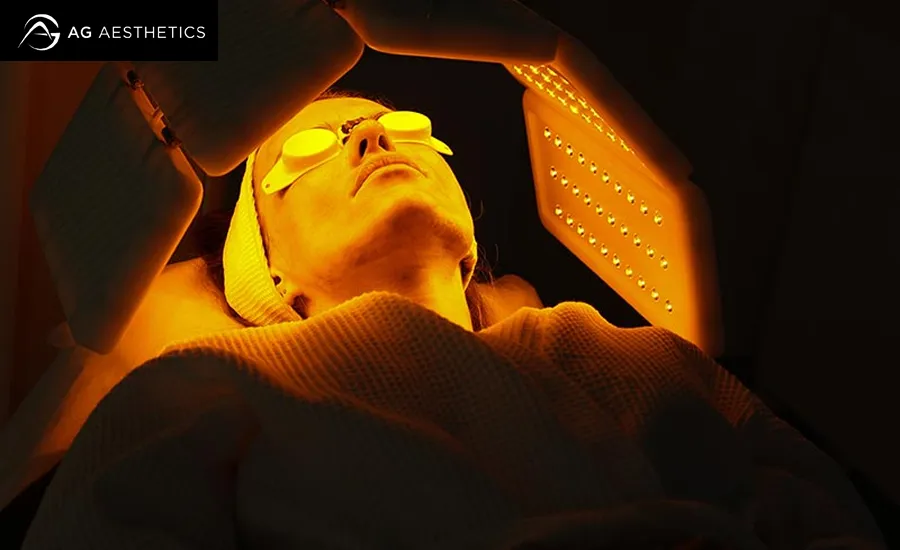
- LED treatment: The patient is positioned under or in front of the LED device for a predetermined amount of time.
- Post-treatment skincare: Depending on the clinic’s protocol, soothing or hydrating skincare products may be applied.
- Aftercare advice: Patients receive guidance on skincare and sun protection.
One of the main advantages of LED light therapy is that treatment is generally comfortable and does not require significant recovery time.
What Are the Benefits of LED Phototherapy?
LED phototherapy can be incorporated into aesthetic treatment plans for a range of skin concerns. Potential cosmetic benefits include:
1. Supports Skin Rejuvenation
Red LED light is commonly used in skin rejuvenation protocols. Regular treatments may help improve the appearance of fine lines, wrinkles, and overall skin texture.
2. May Support Collagen Production
Collagen plays an important role in maintaining skin firmness and elasticity. Certain LED wavelengths, particularly red light, are commonly used in aesthetic treatments intended to support collagen-related processes.
3. Helps Improve the Appearance of Acne-Prone Skin
Blue LED light is widely used in aesthetic and dermatological settings for blemish-prone skin. It can be incorporated into treatment plans for clients who experience occasional or persistent breakouts.
4. Can Improve Overall Skin Appearance
LED phototherapy may help create a brighter and healthier-looking complexion when incorporated into a consistent skincare and treatment routine.
5. Minimal Downtime
Unlike many invasive aesthetic procedures, LED phototherapy generally does not involve peeling, significant swelling, or extended recovery. Many patients can return to their normal activities immediately after treatment.
6. Suitable for Combination Treatment Plans
Aesthetic clinics may use LED phototherapy alongside other treatments as part of a broader skin rejuvenation or acne-management protocol, depending on the patient’s needs and the suitability of combining treatments.
What Do the Different LED Light Colours Do?
Understanding the different LED wavelengths is important for aesthetic clinics when designing treatment protocols.
|
LED Light |
Common Aesthetic Use |
|
Red Light |
Skin rejuvenation, fine lines and overall skin appearance |
|
Near-Infrared Light |
Deeper light-based skin treatment protocols |
|
Blue Light |
Acne-prone and blemish-prone skin |
|
Green Light |
Uneven-looking skin tone and pigmentation-focused protocols |
It is important to remember that LED colour alone does not determine treatment effectiveness. Wavelength, irradiance, treatment duration, device quality, and treatment protocol can all influence the outcome.
Is LED Phototherapy Safe?
LED phototherapy is generally considered a non-invasive treatment with a favourable safety profile when an appropriate, clinically suitable device is used according to its instructions.
However, not every patient is automatically suitable for every light-based treatment. A professional consultation can help identify potential contraindications, medications, photosensitivity concerns, or other factors that may affect treatment suitability.
Aesthetic clinics should always follow the manufacturer’s treatment guidelines and use appropriate eye protection when required by the device.
How Long Does an LED Phototherapy Session Take?
The duration of an LED phototherapy session depends on the device, wavelength, treatment protocol, and individual skin concerns.
Many sessions can be completed relatively quickly, making LED light therapy a convenient option for aesthetic clinics that want to provide a treatment with minimal disruption to a patient’s schedule.
The number of sessions required also varies. Some patients may benefit from a series of treatments rather than a single session, particularly when the goal is ongoing skin maintenance.
Who Can Benefit From LED Phototherapy?
LED phototherapy may be considered for clients concerned about:
- Fine lines and early signs of ageing
- Dull or tired-looking skin
- Uneven skin appearance
- Acne-prone skin
- General skin rejuvenation
- Maintaining healthier-looking skin
However, suitability should be determined on an individual basis. A consultation with a qualified aesthetic professional is recommended before beginning treatment.
LED Phototherapy vs Laser Treatment
LED phototherapy and laser treatments are both used in aesthetic medicine, but they work differently.
LED phototherapy uses non-invasive light at specific wavelengths and generally involves minimal downtime. It is often used for skin maintenance, rejuvenation, and acne-focused protocols.
Laser treatments use concentrated light energy and can be designed to target specific skin structures or concerns more aggressively. Depending on the laser and treatment settings, patients may experience redness, swelling, peeling, or downtime.
Neither treatment is universally better. The appropriate option depends on the patient’s skin condition, treatment goals, medical history, and the technology available at the clinic.
Why Should Aesthetic Clinics Offer LED Phototherapy?
For aesthetic clinics, LED phototherapy can be a useful addition to a modern skincare treatment menu.
Its non-invasive nature and minimal downtime can make it attractive to patients who are looking for gentle aesthetic treatments. Clinics can also incorporate LED therapy into personalised treatment plans or use it as part of maintenance-focused skincare programs.
From a business perspective, adding LED phototherapy can help clinics diversify their services while providing patients with another option for professional skin treatments.
How Often Should You Have LED Phototherapy?
The recommended frequency depends on the LED device, treatment protocol, skin concerns, and individual response.
Some treatment plans involve multiple sessions over several weeks followed by maintenance treatments. Clinics should establish treatment schedules according to the manufacturer’s recommendations and professional assessment rather than using a one-size-fits-all approach.
Consistency is often more important than expecting dramatic changes after a single session.
What Should You Do After LED Phototherapy?
Because LED phototherapy generally involves minimal downtime, post-treatment care is usually straightforward. However, patients should follow the specific instructions provided by their aesthetic clinic.
General skincare recommendations may include:
- Use a gentle cleanser.
- Keep the skin adequately moisturised.
- Apply broad-spectrum sunscreen during the day.
- Avoid introducing harsh skincare products unless recommended.
- Follow the clinic’s personalised aftercare instructions.
Frequently Asked Questions
Is LED phototherapy painful?
LED phototherapy is generally described as a comfortable treatment. Patients may experience the sensation of light or mild warmth depending on the device and treatment settings.
Does LED phototherapy have downtime?
One of the key advantages of LED light therapy is its minimal downtime. Many people can resume their normal activities immediately after treatment.
How many LED phototherapy sessions are needed?
The number of sessions varies depending on the treatment goal, device, and individual response. A qualified aesthetic professional can recommend an appropriate treatment schedule.
Can LED phototherapy be combined with other aesthetic treatments?
In some cases, LED phototherapy can be incorporated into combination treatment plans. However, the suitability and timing of combining treatments should be determined by a qualified professional.
Is LED phototherapy suitable for all skin types?
LED treatments can be used across a range of skin types, but individual suitability depends on the patient’s skin, health history, medications, and the specific LED device being used.
Final Thoughts
LED phototherapy has become a popular option for aesthetic clinics because it provides a non-invasive approach to professional skin treatment with minimal downtime. By using specific wavelengths of light, clinics can develop treatment protocols targeting concerns such as skin ageing, acne-prone skin, and overall skin appearance.
For patients, the best results depend on choosing an appropriate treatment protocol and maintaining realistic expectations. For aesthetic clinics, investing in quality LED technology, professional training, and personalised treatment plans can help deliver a safe and effective patient experience.
If you’re considering adding LED phototherapy to your aesthetic clinic, selecting the right technology and understanding how different wavelengths are used can be an important first step.