


Is Hyfrecator 2000 Safe? Benefits, Risks, and Frequently Asked Questions
The short answer is yes. When operated by a qualified healthcare professional, the Hyfrecator 2000 is considered a safe, reliable, and widely used electrosurgical device for minor office-based procedures. It has been trusted by physicians for decades and incorporates safety features such as dual microprocessors, self-diagnostic testing, and continuous output monitoring to help ensure precise and controlled treatment.
In this guide, we'll explore the safety of the Hyfrecator 2000, its advantages, possible risks, and answers to the questions patients ask most often.
What Is the Hyfrecator 2000?
The Hyfrecator 2000 is a low-powered electrosurgical device that delivers high-frequency electrical energy to destroy or remove unwanted tissue while helping control minor bleeding. It is commonly used in dermatology, cosmetic medicine, gynecology, ophthalmology, and other outpatient specialties for precise tissue treatment.
It is frequently used to treat:
- Skin tags
- Common warts
- Seborrheic keratoses
- Cherry angiomas
- Certain benign moles (after medical evaluation)
- Small vascular lesions
- Minor bleeding during dermatologic procedures
Is the Hyfrecator 2000 Safe?
For most patients, yes.
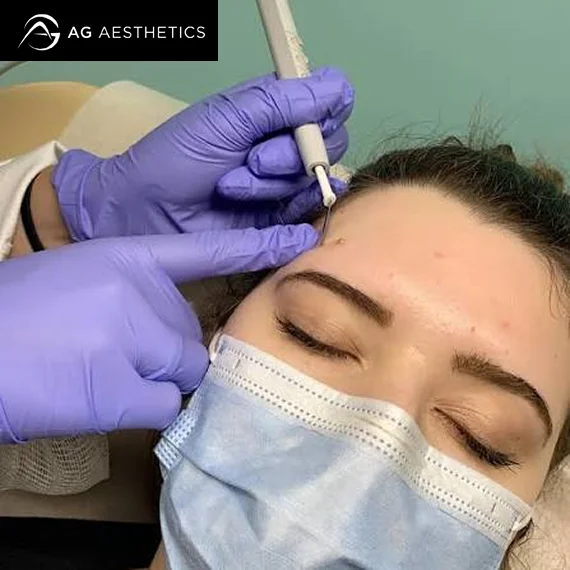
The Hyfrecator 2000 has been used in clinical practice for many years and includes multiple built-in safety mechanisms designed to deliver accurate energy while monitoring the system for faults. Safe outcomes, however, depend not only on the device but also on proper patient selection, correct settings, and use by trained healthcare professionals.
When performed correctly, complications are uncommon and most patients recover with minimal downtime.
Benefits of Hyfrecator 2000 Treatment
1. Highly Precise Treatment
The device targets unwanted tissue while minimizing damage to surrounding healthy skin.
2. Minimal Bleeding
Electrical energy coagulates small blood vessels during treatment, helping keep the procedure clean and reducing blood loss.
3. Quick Outpatient Procedure
Most treatments take 5 to 30 minutes, allowing patients to return home shortly afterward.
4. Minimal Downtime
Most people can resume normal daily activities the same day, although they should follow their provider’s aftercare instructions.
5. Excellent Cosmetic Results
When appropriate aftercare is followed, many patients heal with little or no noticeable scarring.
6. Versatile Clinical Applications
The Hyfrecator 2000 is used for both cosmetic and medical skin procedures, making it a valuable tool across several specialties.
Potential Risks and Side Effects
Like any medical procedure, Hyfrecator 2000 treatment carries some risks, although serious complications are uncommon.
Possible side effects include:
- Mild pain or discomfort
- Temporary redness
- Swelling
- Scab formation
- Temporary skin discoloration
- Minor bleeding
- Infection (rare)
- Scarring (uncommon with proper care)
These effects are usually temporary and improve as the treated area heals.
Who Should Use Extra Caution?
Your healthcare provider should review your medical history before treatment.
Special precautions may be necessary if you have:
- A cardiac pacemaker or implantable defibrillator
- Certain metal implants
- Bleeding disorders
- Diabetes with poor wound healing
- Active skin infections
- Pregnancy (depending on the procedure)
Electrosurgical devices can interfere with some implanted electronic devices, so patients with pacemakers or similar implants require careful assessment before treatment.
How Healthcare Providers Keep the Procedure Safe
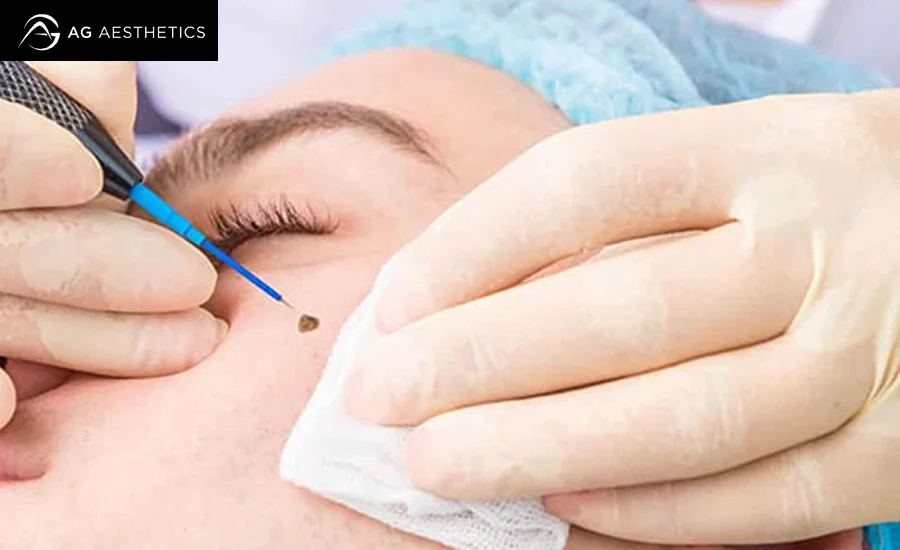
To maximise safety, clinicians typically:
- Examine the lesion before treatment
- Confirm that suspicious lesions are evaluated appropriately
- Clean and prepare the treatment area
- Use sterile accessories
- Select the correct power setting
- Apply local anesthesia when needed
- Provide detailed aftercare instructions
These steps help reduce the likelihood of complications and support optimal healing.
How to Reduce Your Risk of Complications
Patients can also contribute to a smooth recovery by:
- Keeping the treated area clean
- Following all aftercare instructions
- Avoiding picking at the scab
- Protecting healing skin from excessive sun exposure
- Contacting their healthcare provider if signs of infection develop
Proper wound care plays an important role in achieving good cosmetic outcomes.
Frequently Asked Questions
Does Hyfrecator 2000 treatment hurt?
Most patients experience only mild discomfort, often described as a brief stinging or burning sensation. Local anesthesia is commonly used for larger or more sensitive lesions.
Is the treatment permanent?
Many benign lesions are permanently removed. However, new skin tags or warts can develop in the future, and some viral warts may recur.
Will I have a scar?
Most patients heal with minimal scarring, especially when treatment is performed correctly and aftercare instructions are followed. Individual healing varies based on skin type, lesion size, and treatment depth.
How long does recovery take?
Initial healing usually occurs within 2–4 weeks, while the final appearance of the skin may continue to improve over several months.
Can multiple lesions be removed in one appointment?
Yes. Depending on the number, size, and location of the lesions, several may be treated during the same visit.
Is Hyfrecator 2000 better than laser treatment?
It depends on the condition being treated. The Hyfrecator 2000 is often more cost-effective and highly effective for many benign skin lesions, while laser treatments may be preferred for certain cosmetic concerns or deeper vascular lesions. Your provider can recommend the most appropriate option based on your individual needs.
Is there any downtime?
Downtime is usually minimal. Most patients can return to work and routine daily activities shortly after treatment, though strenuous exercise, swimming, and excessive friction on the treated area may need to be avoided for a few days.
Final Thoughts
The Hyfrecator 2000 has earned a strong reputation as a safe and effective electrosurgical device for removing many benign skin lesions when used by trained healthcare professionals. Its precision, ability to control minor bleeding, short treatment time, and minimal recovery period make it a popular choice in dermatology and other outpatient settings.
While every medical procedure carries some level of risk, most side effects associated with Hyfrecator 2000 treatment are mild and temporary. By discussing your medical history with your provider and carefully following aftercare instructions, you can help ensure a smooth recovery and achieve the best possible results.