



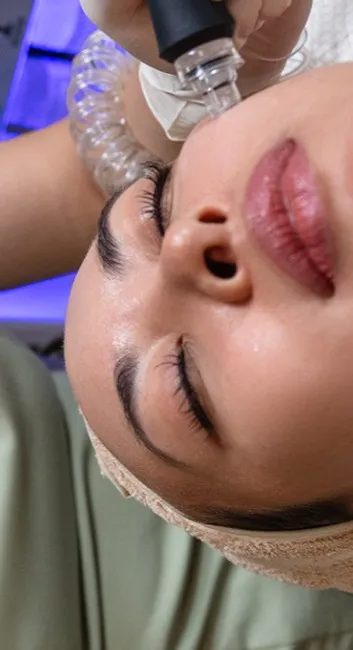
Plant-Based Exosomes vs Stem Cell Skincare: What’s the Difference?
If you’re wondering which one is better for your skin, this guide breaks down the key differences, benefits, and how to choose the right option for your skincare routine.
What Are Plant-Based Exosomes?
Plant-based exosomes are nano sized vesicles derived from plants that act as messengers between cells.
They carry potent bioactive compounds such as:
- Antioxidants
- Proteins
- Lipids
- Growth signals
In skincare, these exosomes help stimulate skin repair, reduce inflammation, and improve overall skin health by enhancing cellular communication.
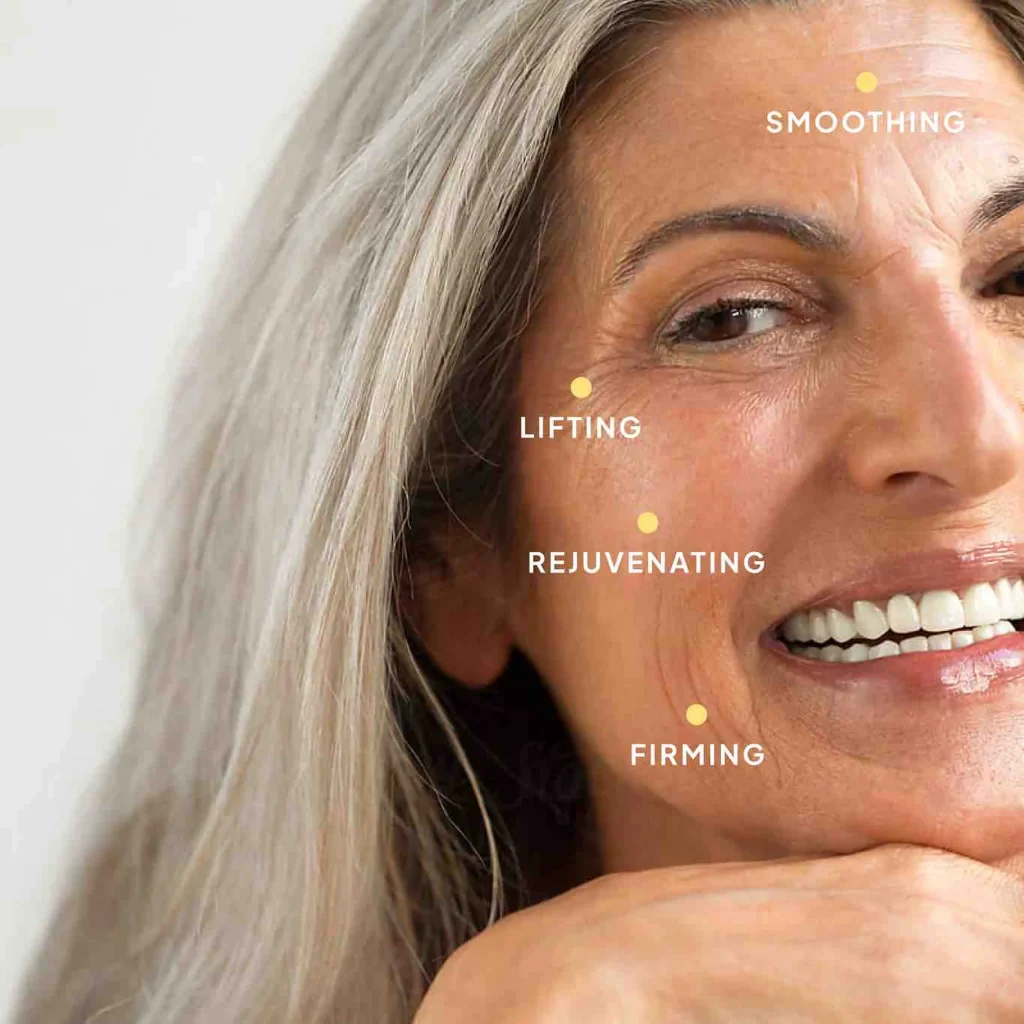
What Is Stem Cell Skincare?
Stem cell skincare typically uses plant stem cells or animal derived stem cell extracts (not live human stem cells in most over the counter products).
These ingredients are designed to:
- Protect skin from damage
- Support collagen production
- Slow down visible signs of aging
Stem cell skincare focuses more on providing nutrients and protective benefits rather than direct cellular communication.
Key Differences Between Plant Based Exosomes and Stem Cell Skincare
1. How They Work
- Plant-Based Exosomes: Act as cellular messengers, delivering signals that trigger repair and regeneration
- Stem Cell Skincare: Provides supportive nutrients and extracts that help protect and maintain skin
Exosomes actively “tell” your skin what to do, while stem cells mainly “feed” the skin.
2. Effectiveness in Skin Regeneration
- Exosomes: Highly effective in promoting cell turnover, healing, and tissue repair
- Stem Cells: Offer preventative and protective benefits, but less direct regeneration
3. Absorption & Penetration
- Exosomes: Ultra small size allows deeper penetration into skin layers
- Stem Cells: Larger molecules that mostly work on the surface level
4. Anti-Aging Benefits
Both offer anti-aging effects, but in different ways:
- Exosomes: Boost collagen production and improve skin elasticity faster
- Stem Cells: Help reduce oxidative stress and slow aging over time
5. Safety & Ethical Considerations
- Plant-Based Exosomes:
- Eco-friendly
- Non-toxic
- Suitable for sensitive skin
- Stem Cell Skincare:
- Plant stem cells are generally safe
- Animal-derived options may raise ethical concerns
Which One Should You Choose?
Choose Plant Based Exosomes If You Want:
- Plant Based Exosomes:
- Eco friendly
- Non toxic
- Suitable for sensitive skin
- Stem Cell Skincare:
- Plant stem cells are generally safe
- Animal-derived options may raise ethical concerns
Choose Stem Cell Skincare If You Want:
- Preventative anti aging care
- Daily antioxidant protection
- Gentle, maintenance-focused skincare
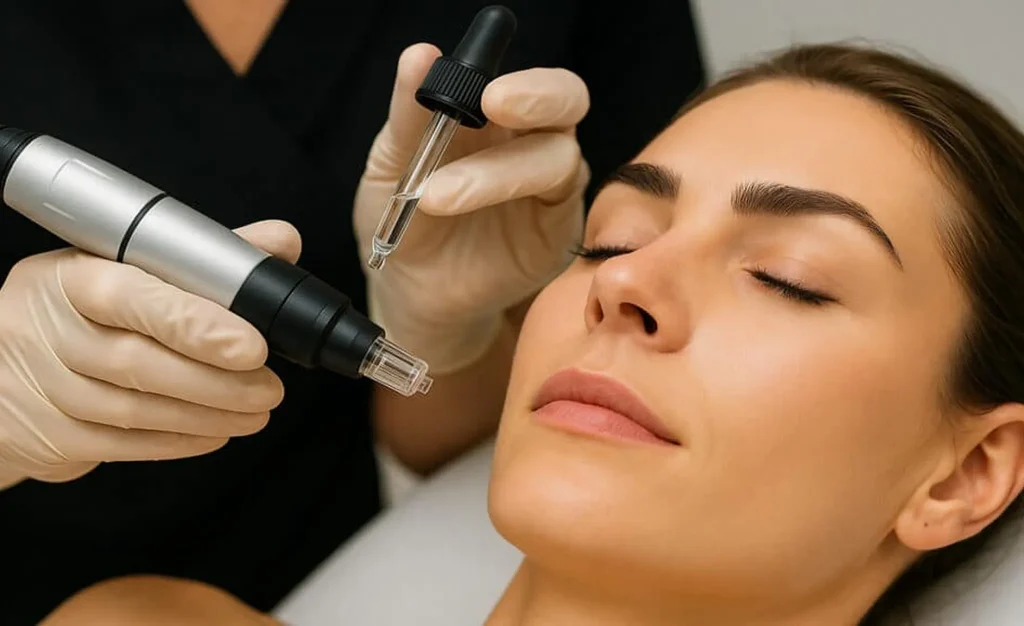
Can You Use Both Together?
Yes, combining both can be beneficial.
- Use exosome serums for repair and regeneration
- Use stem cell products for protection and maintenance
This layered approach can help you achieve both immediate and long term skin benefits.
Final Thoughts
While both technologies are innovative, plant based exosomes are considered more advanced due to their ability to actively communicate with skin cells and accelerate regeneration.
Stem cell skincare still has its place especially for prevention but if you’re looking for next level results, exosomes may offer a more powerful solution.